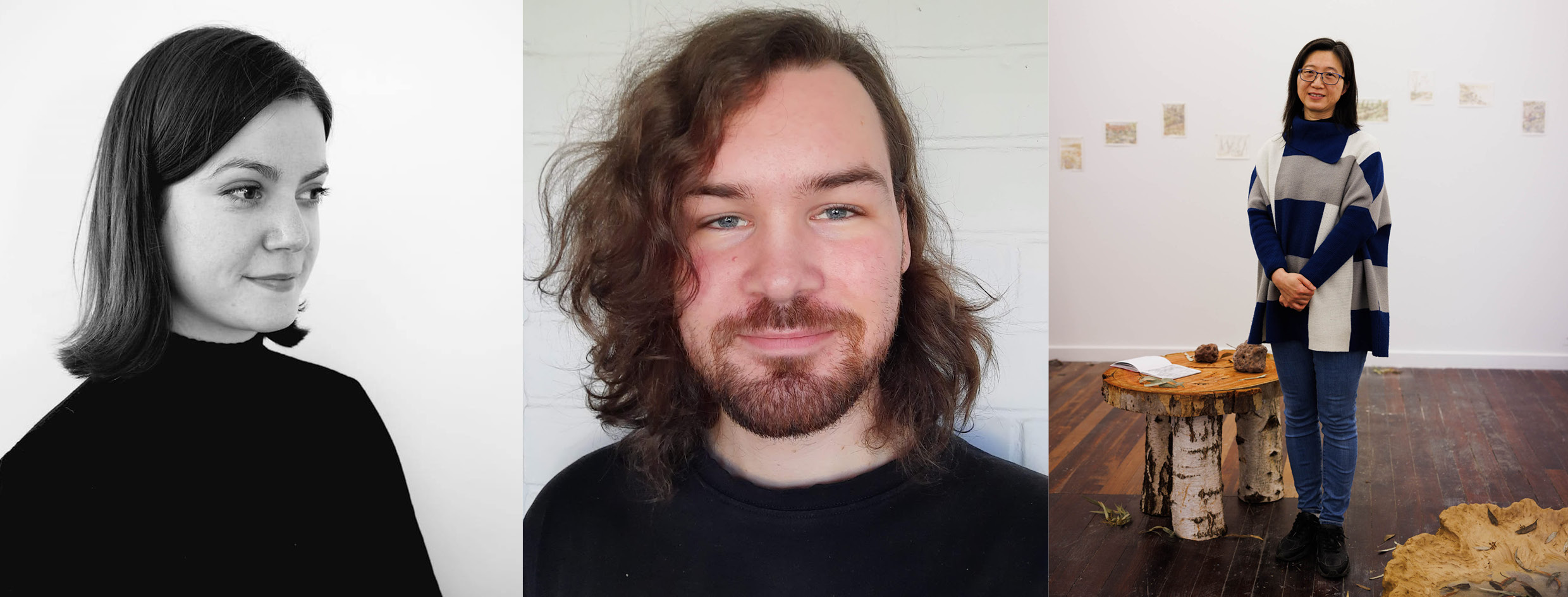
Isobel Waters, photograph courtesy the artist, Hen Vaughan, photograph courtesy the artist and Shenshen Zheng, photograph Rosina Possingham.
2026 ANAT Locale Mentorships
Congratulations to Isobel Waters, Hen Vaughan and Shenshen Zheng, the recipients of the 2026 ANAT Locale Mentorships. Selected from a strong field of South Australian applicants, all at the beginning of their emerging interdisciplinary practices.
This edition of ANAT Locale connects emerging and early-career artists with established practitioners from ANAT’s national alumni network through a series of one-on-one online mentorships.
With dedicated time for conversations focused on specific areas of interest, reflection, advice and dialogue across art, science and technology, ANAT Locale is a rare, paid opportunity for personalised sessions with leading interdisciplinary practitioners from across Australia.
Each recipient is paired with four mentors drawn from the ANAT Alumni network.
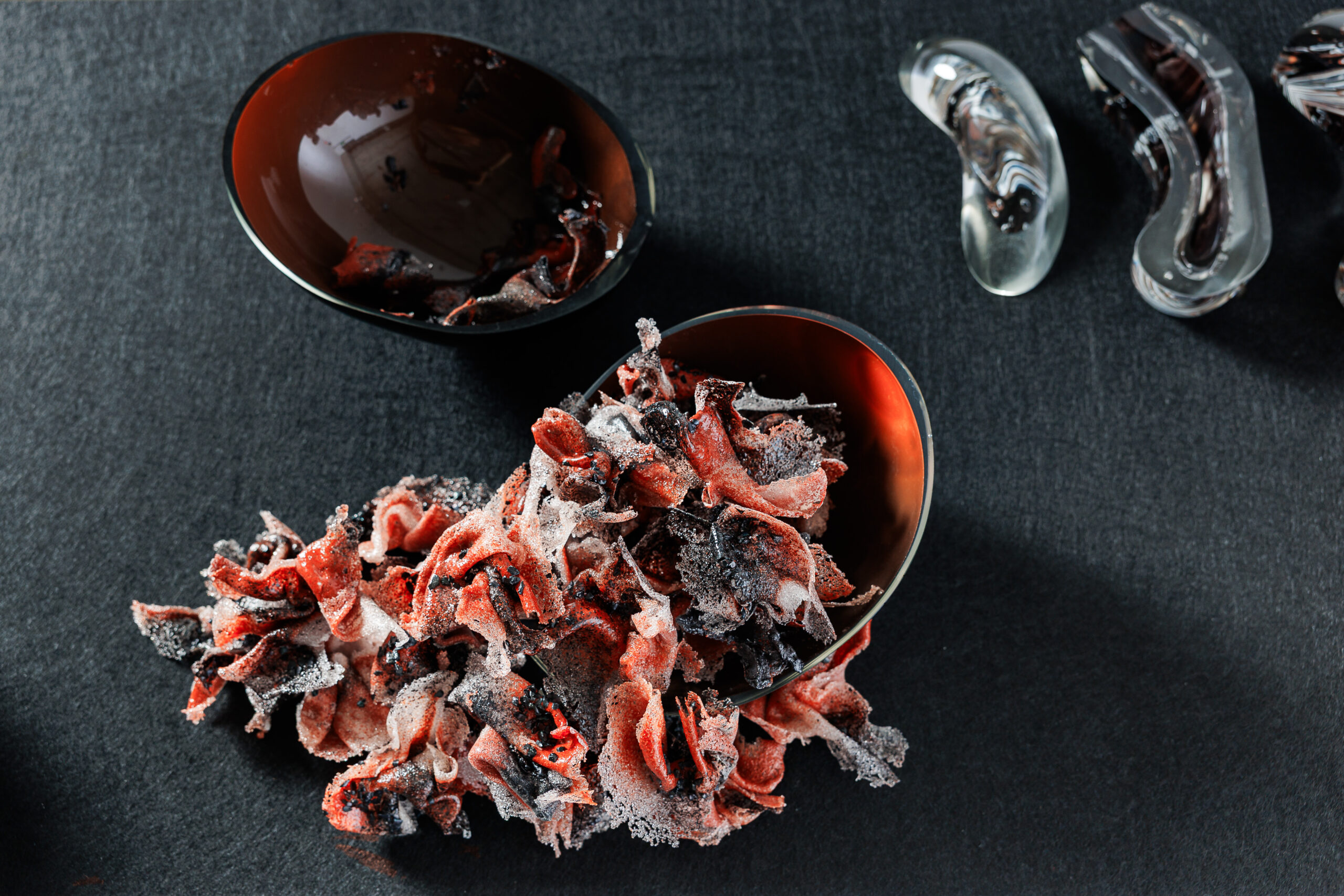
Isobel Waters, In the Absence of a Diagnosis, 2025, blown, kiln formed, hot sculpted and cold worked glass, dimensions variable. Photograph, James Field.
Isobel Waters is an artist and maker practising on unceded Kaurna land in Adelaide, South Australian. Initially trained as a Physiotherapist, Isobel graduated from a Bachelor of Visual Arts at the Australian National University in 2024 where she specialised in glass. In 2025 Isobel completed a Bachelor of Creative Arts (Honours) at the University of South Australia. Her work is held in collections both in Australia and overseas.
Isobel Waters’ artistic practice is informed by her experience as a health care worker, where she engages daily with the physical and emotional complexities of the human body. This clinical background continues to shape Isobel’s approach to material and form, driving a practice that interrogates both personal and socio-political dimensions of health, care, and embodiment. Working across glassblowing, kiln forming, flame working, cold working, and assemblage, Isobel creates visceral pieces that explore the fragility, strength, and adaptability of the body.
Mentors: Catherine Truman, Erica Seccombe, Ian Gibbins and Linda Dement.
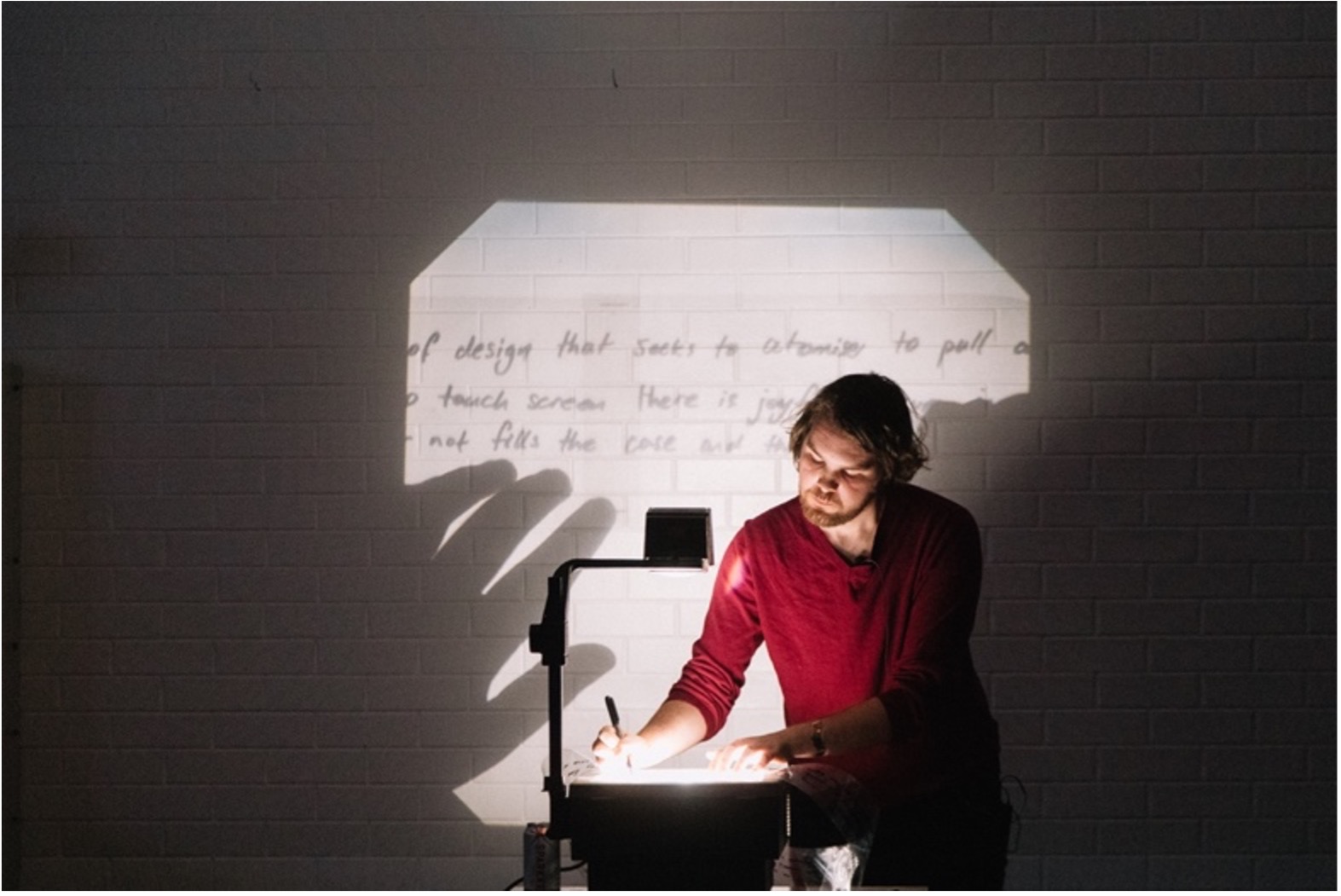
Hen Vaughan, Marginalia (2024), performance for FELTlive, presented by FELTspace, Queen’s Theatre, Tarndanya-Adelaide, Kaurna Yarta. Photograph Mark Panizza.
Hen Vaughan is a writer, artists and arts worker based in Tarndanya on unceded Kaurna Yarta. Through writing, performance, video and installation, Hen explores the aesthetics and poetics of in/visible illness, de/medicalised phenomenologies, and the affective agencies of hormones.
Hen has collaborated on and presented performances, exhibitions, workshops, walking tours, publications, public programs, community radio, audio description and artist camps in Coober Pedy.
“My practice aims to resist and remix the medical gaze through a cyborg lens, attending to the textures of my own embodiment, the temporalities of convalescence and medical routine, and chemical, material, and wearable intimacies.
ANAT’s dedication to championing bold and uncompromising experimental practice, research and collaboration is very inspiring to me. They are integral to Tarndanya- Adelaide’s fabulous legacy of interdisciplinary arts, and I’m beyond excited to be taking part in the Locale mentorship.”
Mentors: Eugenie Lee, Guy Ben-Ary and Nathan Thompson (collaborators), Helen Pynor and Michèle Saint-Yves.
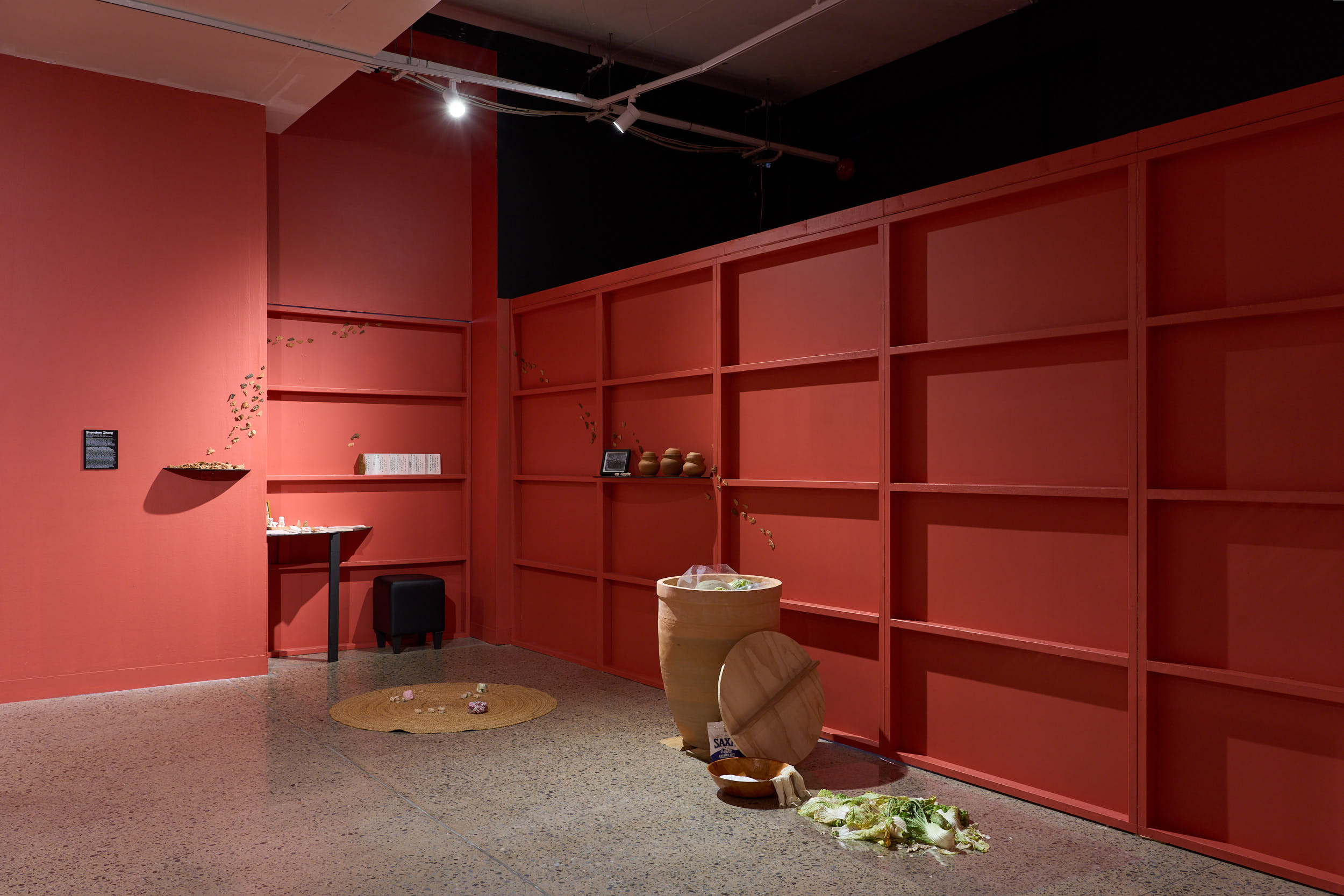
Shenshen Zheng, Anarchive: Gut-feeling, installation view 2026, Adelaide Contemporary Experimental. Photography by Sam Roberts.
Shenshen Zheng is an emerging interdisciplinary artist living and working on Kaurna Country (Adelaide). Her research-led practice explores cultural memory and the entangled relationships between humans and the more-than-human world through ceramics, installation, drawing, and socially engaged practice. She has presented solo exhibitions at Nexus Arts and Post Office Projects and participated in numerous group exhibitions. Her work centres on collaboration with reclaimed/repurposed materials, plants, microorganisms, and ecological processes.
“My practice explores the entangled relationships between humans and the more-than-human world through collaboration with materials such as clay, plants, microorganisms and reclaimed matter. I am particularly interested in how scientific knowledge and technological tools might help reveal, document, and communicate processes that are otherwise difficult to perceive. Through the ANAT Locale Mentorship, I hope to deepen my understanding of how art, science, and technology can come together to expand my practice.”
Mentors: Jiann Hughes, Keith Armstrong, Niki Sperou and Sarah Jane Moore.
2026 ANAT Locale Mentors
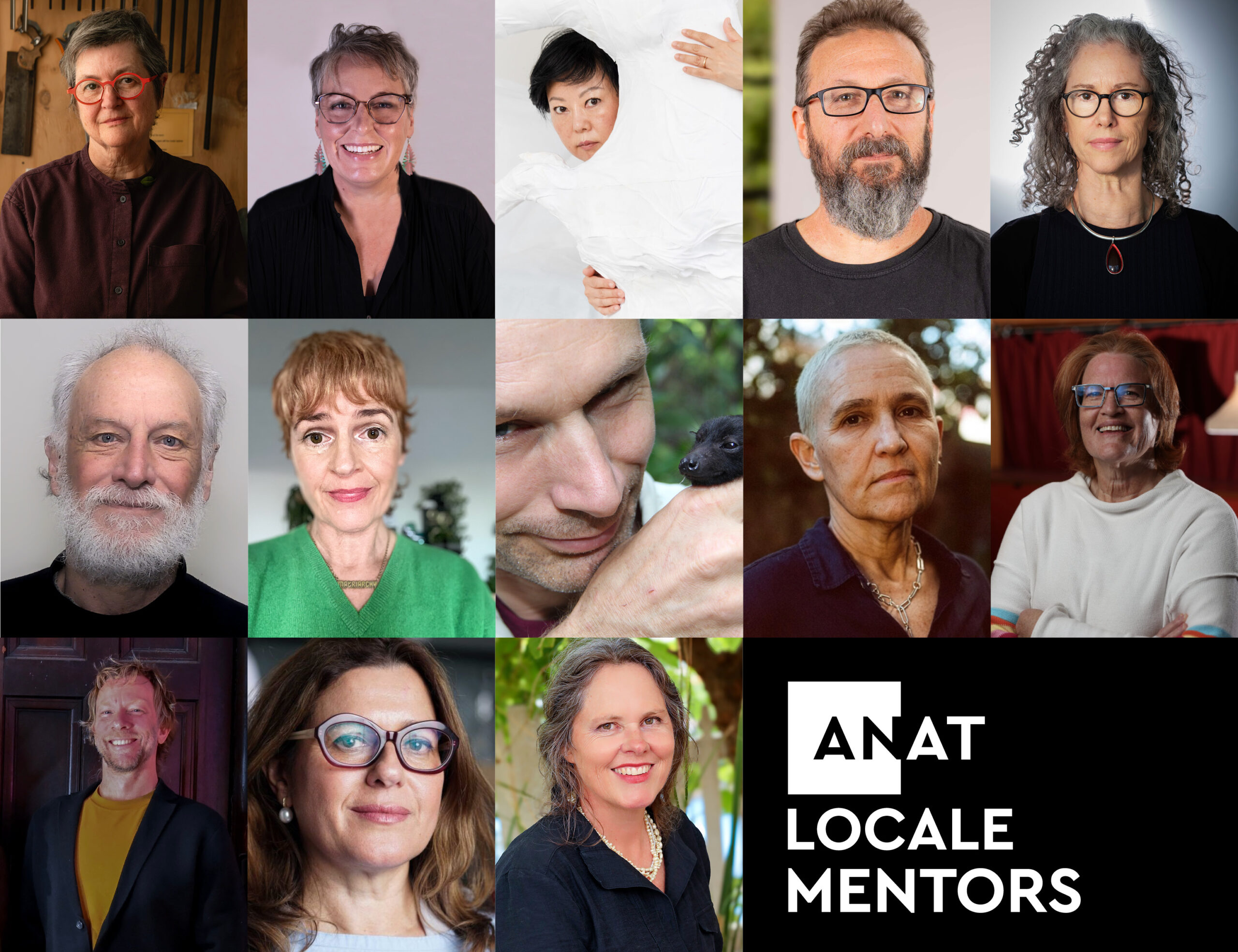
Top from left: Catherine Truman, photograph Connor Patterson, Erica Seccombe, photograph Nick Beresford-Williams , Eugenie Lee, photograph Garry Trinh, Guy Ben-Ary, photograph courtesy the artist, Helen Pynor, photograph Anna Gerdén. Middle from left: Ian Gibbins, courtesy the artist, Jiann Hughes, photograph courtesy the artist, Keith Armstrong, photograph courtesy the artist, Linda Dement, photograph Jesse Boylan, Michèle Saint-Yves, photograph Jamois. Bottom from left: Nathan Thompson, photograph courtesy the artist, Niki Sperou, photograph Michael Clements and Sarah Jane Moore, courtesy the artist.
ANAT’s alumni is a lifelong community of hundreds of artists, scientists and technologists who have participated in ANAT’s art, science and technology programs and residencies, over the past four decades since its incorporation in 1988.
By connecting emerging practitioners with ANAT alumni, Locale carries ANAT’s legacy forward while creating new pathways for ideas, knowledge and interdisciplinary practice to grow.
The 2026 ANAT Locale mentors are: Catherine Truman, Erica Seccombe, Eugenie Lee, Guy Ben-Ary, Helen Pynor, Ian Gibbins, Jiann Hughes, Keith Armstrong, Linda Dement, Michele Saint-Yves, Nathan Thompson, Niki Sperou, and Sarah Jane Moore.
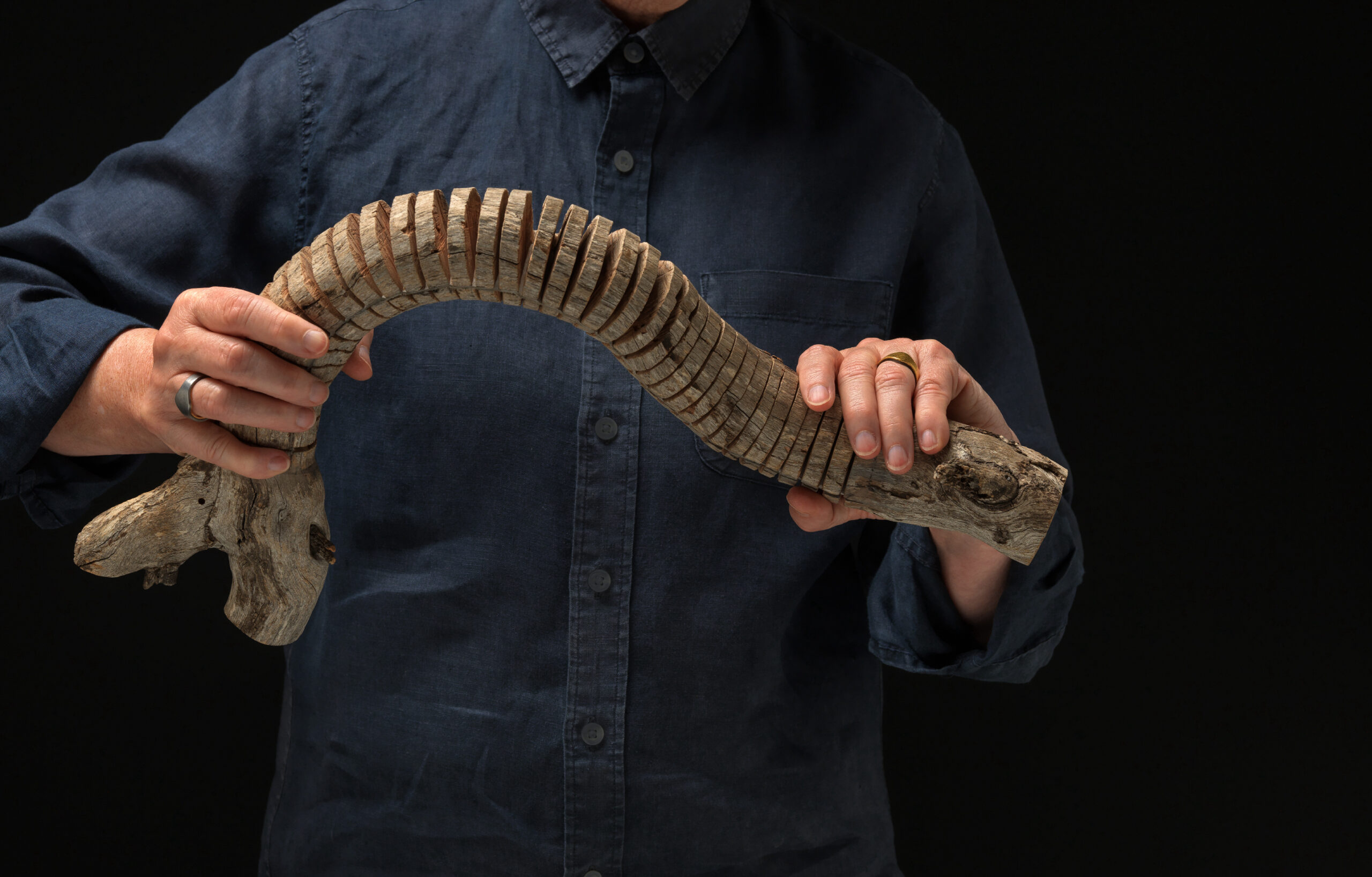
Catherine Truman, Bough, 2024, Fallen red gum branch, (Tungkillo, South Australia), recycled leather, glass bell jar handblown by Liam Fleming. L560 x w130 x d60. Photograph Grant Hancock.
Catherine Truman’s practice is renowned for its diversity, incorporating installation, objects, digital imagery and film. Truman has undertaken numerous residencies focused upon the parallels between artistic process and scientific method within science environments including neuroscience, biomedicine, histology, microscopy, ophthalmology, and botany. Catherine has exhibited widely nationally and internationally including The Victoria and Albert Museum, London, The Museum of Modern Art, Tokyo and SOFA New York. Her work is represented in most main Australian state, national and several major international collections.
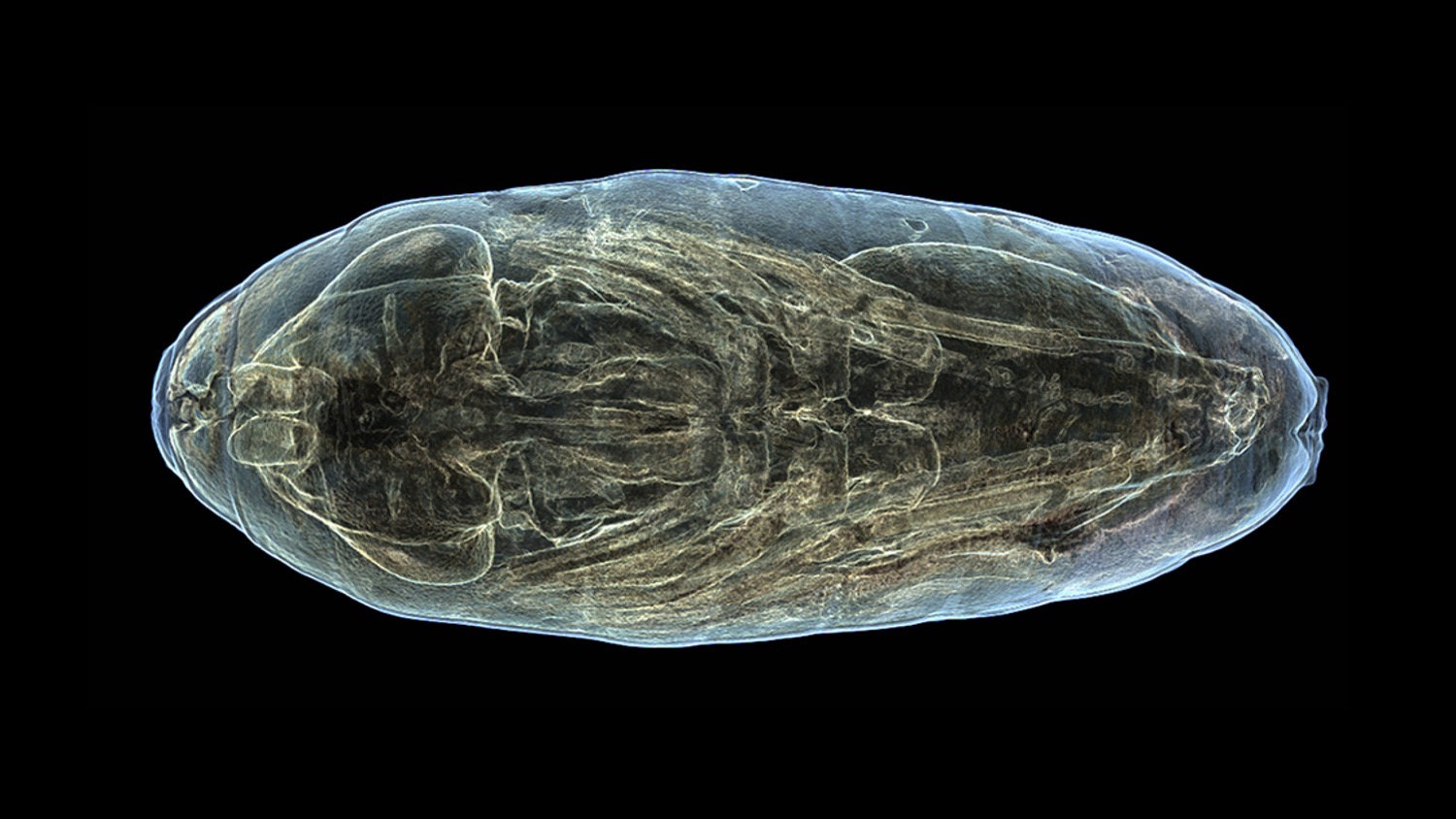
Erica Seccombe, Metamorphosis, 2016–2017 (detail). Active stereoscopic projection installation. Pupa development at 15°C. Nine datasets charting 10%–100% growth, derived from 3D Micro-CT scanning. Imaging and Analysis Centre (IAC), Natural History Museum, London. Visualised and animated in Drishti by the artist.
Erica Seccombe is a practising artist with 30 years’ experience in working, teaching, and contributing to the sector as an educator and collaborator. She is currently a Senior Lecturer in Art History at CAHAT, ANU School of Art and Design, but has taught studio skills in observational drawing and printmaking. Working across the Canberra region, she resides in semi-rural NSW on the traditional lands of Ngambri, Ngunnawal, and Ngunnawal peoples.
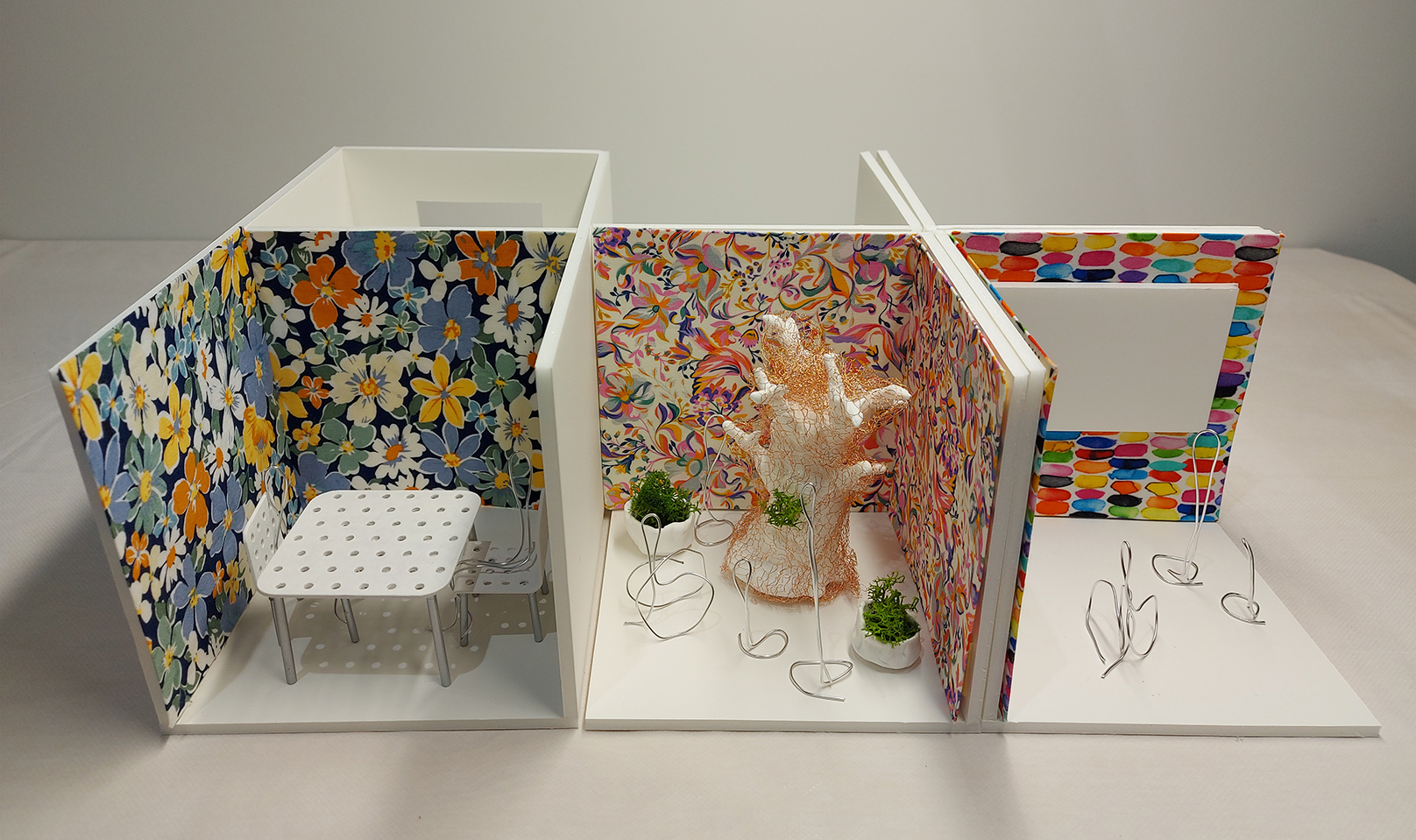
Eugenie Lee, Maquette 3D sketch. Photograph Eugenie Lee 2026.
Eugenie Lee is a CripQueer, autistic, Korean-Australian interdisciplinary artist. Her conceptual research explores reimagined antidotes to stigmatised human conditions with which she has intimate experience, such as persistent (chronic) pain, post-colonial medical misogyny, hidden disability, and diaspora.
She collaborates across the sciences, humanities, technologists, and lived-experience communities to create research-based participatory performances, installations, sculptures, and paintings. Her works were exhibited at AGNSW, Science Gallery Bengaluru, UNSW galleries, MOD., among others, and featured in The Guardian, Artlink, RealTime, The Australian, Routledge, The New York Times, ABC, and SBS Korean radio. Eugenie received grants and residencies from Creative Australia, Create NSW, Synapse (ANAT) and is a Creative Access consultant and Access Advisor for global organisations.
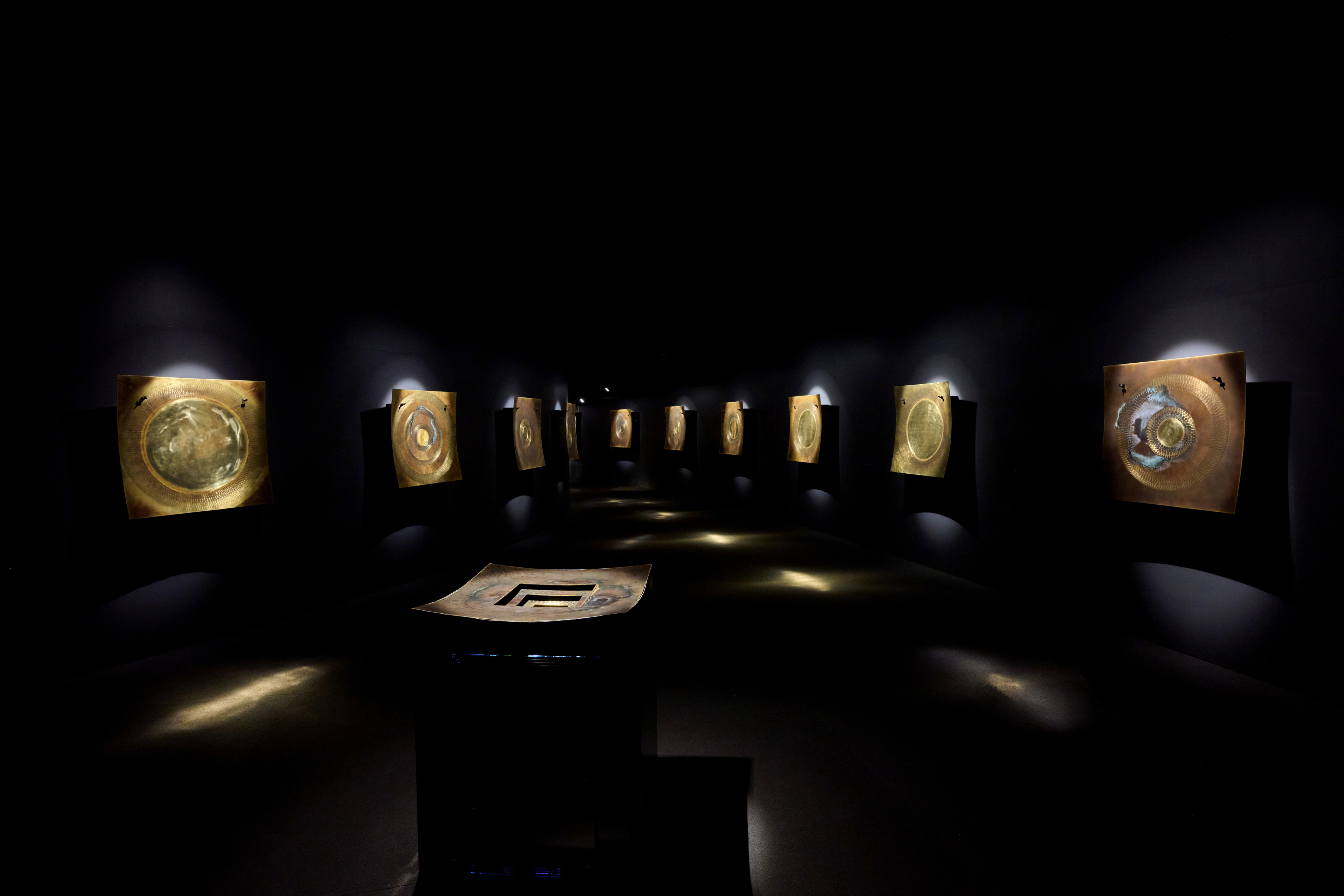
Guy Ben-Ary and Nathan Thompson, Revivification, Installation view. Photo by Rebecca Mansell. Images courtesy of Art Gallery of Western Australia.
Guy Ben-Ary is a Perth-based artist and researcher, internationally recognised for biotechnological artwork exploring what it means to be alive. His practice uses biotechnology subversively, creating absurd and contestable scenarios that question its influence over life, death, sentience, and intelligence – initiating public debate on the liminal life he creates in the lab. His work has been shown at prestigious venues and festivals worldwide, including MoMA, MONA, Ars Electronica, and the Venice Biennale to name a few.
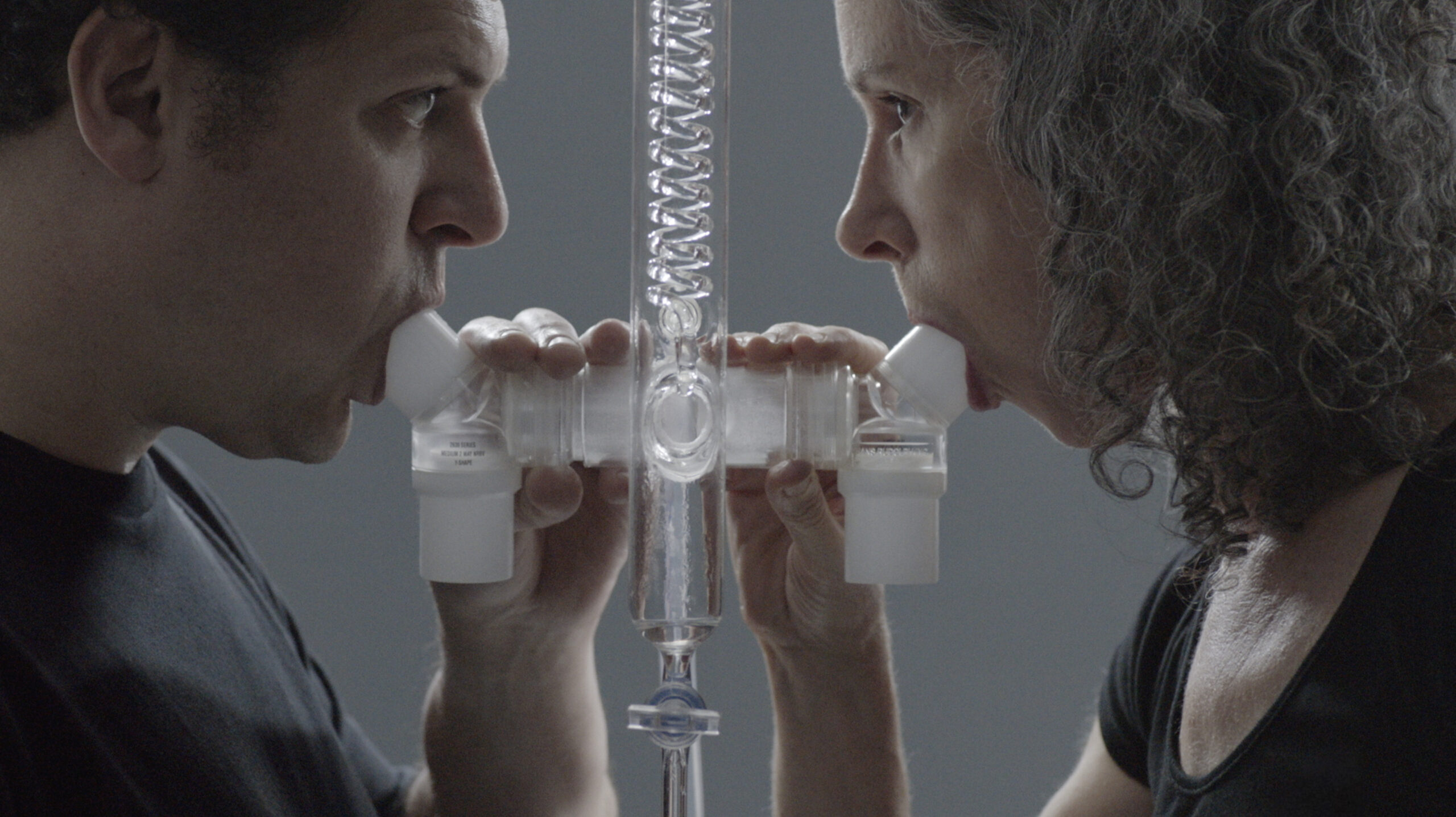
Helen Pynor, 93% Human (video still), 2023, Helen Pynor. Single channel video projection (10.20 min), 3-channel video on screens (4.55 min), 8-channel sound (20.09 min), scientific glassware objects. Lead Collaborators: Amanda Cole, Composer; Associate Professor Jimmy Breen, Bioinformatician and Geneticist, Chief Data Scientist, Black Ochre Data Labs at Telethon Kids and The Australian National University. Image courtesy of the artist. 93% Human has been assisted by the Australian Government through Creative Australia, its principal arts investment and advisory body, and ANAT (Australian Network for Art and Technology).
Dr Helen Pynor is an Artist and Researcher. Her work has been exhibited widely nationally and internationally including at Tekniska Museet (National Museum of Science and Technology), Stockholm; ISEA 29th International Symposium on Electronic Art, Brisbane; Beijing Media Art Biennale; FACT (Foundation for Creative Art and Technology), Liverpool UK; and currently at ZKM Centre for Art and Media | Karlsruhe. She has been awarded an Honorary Mention at Prix Ars Electronica, Austria, and national awards in Australia.
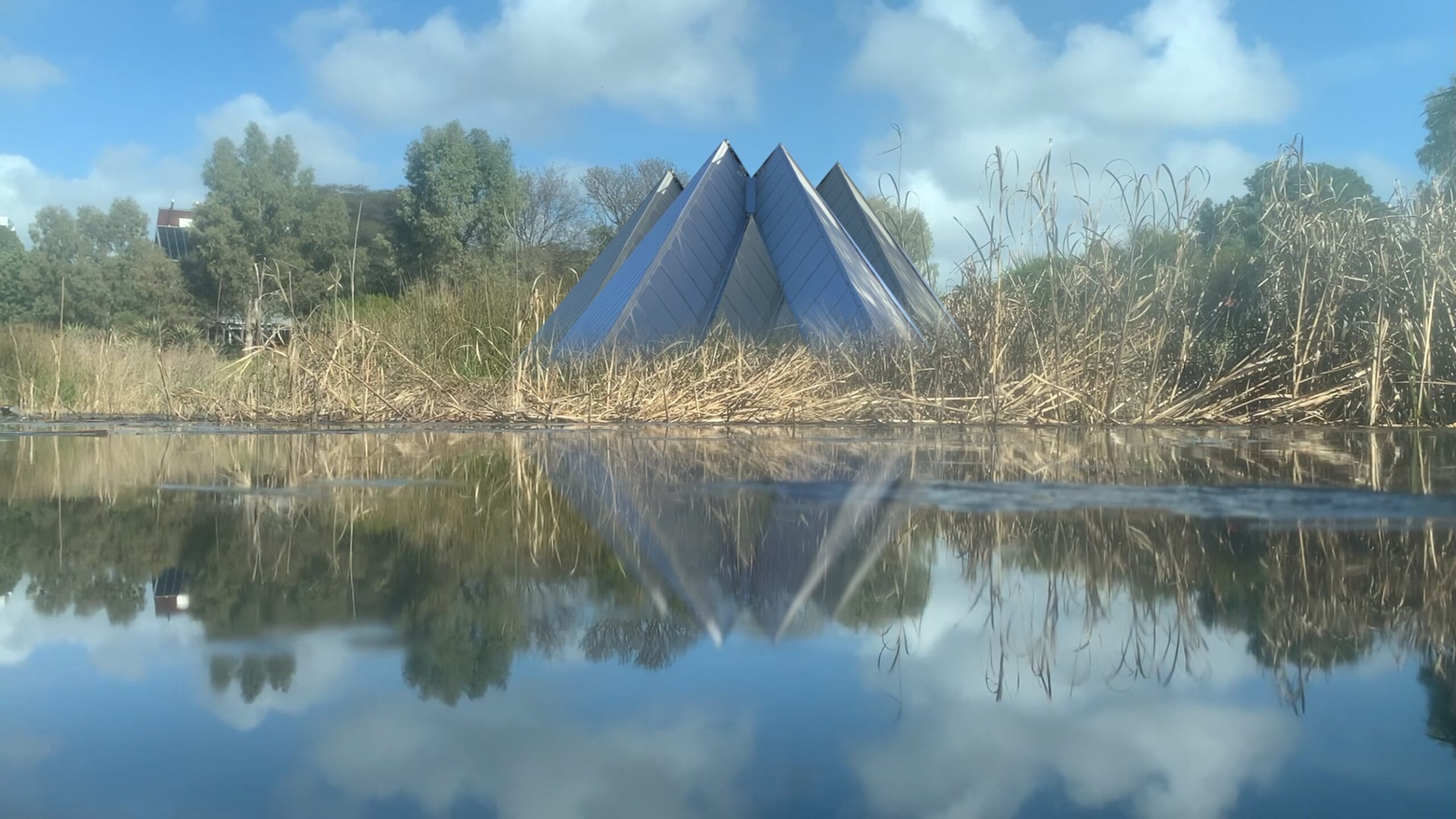
Ian Gibbins, Screen grab from video Because We Can (HD video, 04:26, 2023). Award winning video screened in 10 countries. The video create an alternative vision of the Adelaide Botanic garden in the context of colonial exploitation and the need for water.
Emeritus Professor Ian Gibbins is a poet, video artist and electronic musician living on unceded Kaurna land in South Australia. His poetry has been widely published in Australia and overseas, including four books. His award-winning poetry videos, video art and soundscapes have been exhibited at festivals, installations, galleries and public art displays around the world. Until he retired in 2014, Ian was an internationally recognised neuroscientist and Professor of Anatomy at Flinders University, South Australia.
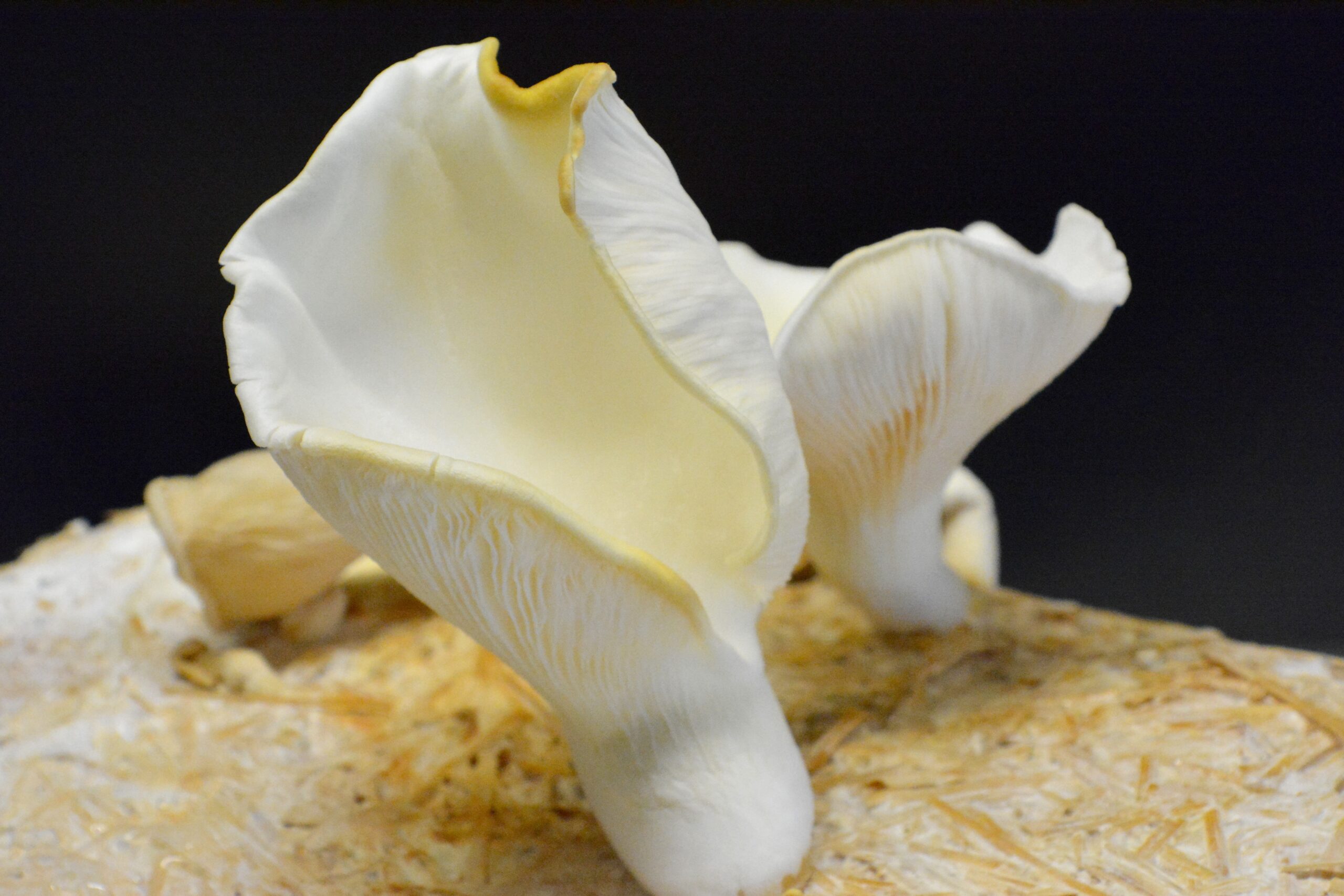
Jiann Hughes. MOFs x Oyster, 2017.
Dr Jiann Hughes is a Sydney based artist researcher who works across the forms of installation, participatory practice, social process and situated public art. Her approach is collaborative, shaped by an aesthetic of care and the material practices of many bodies. She creates speculative fabulations to toy with methods of influence and dynamics of power. An enduring theme in her work has been the challenging of accepted truths about bodily boundaries, revealing what comes to matter in these entanglements.
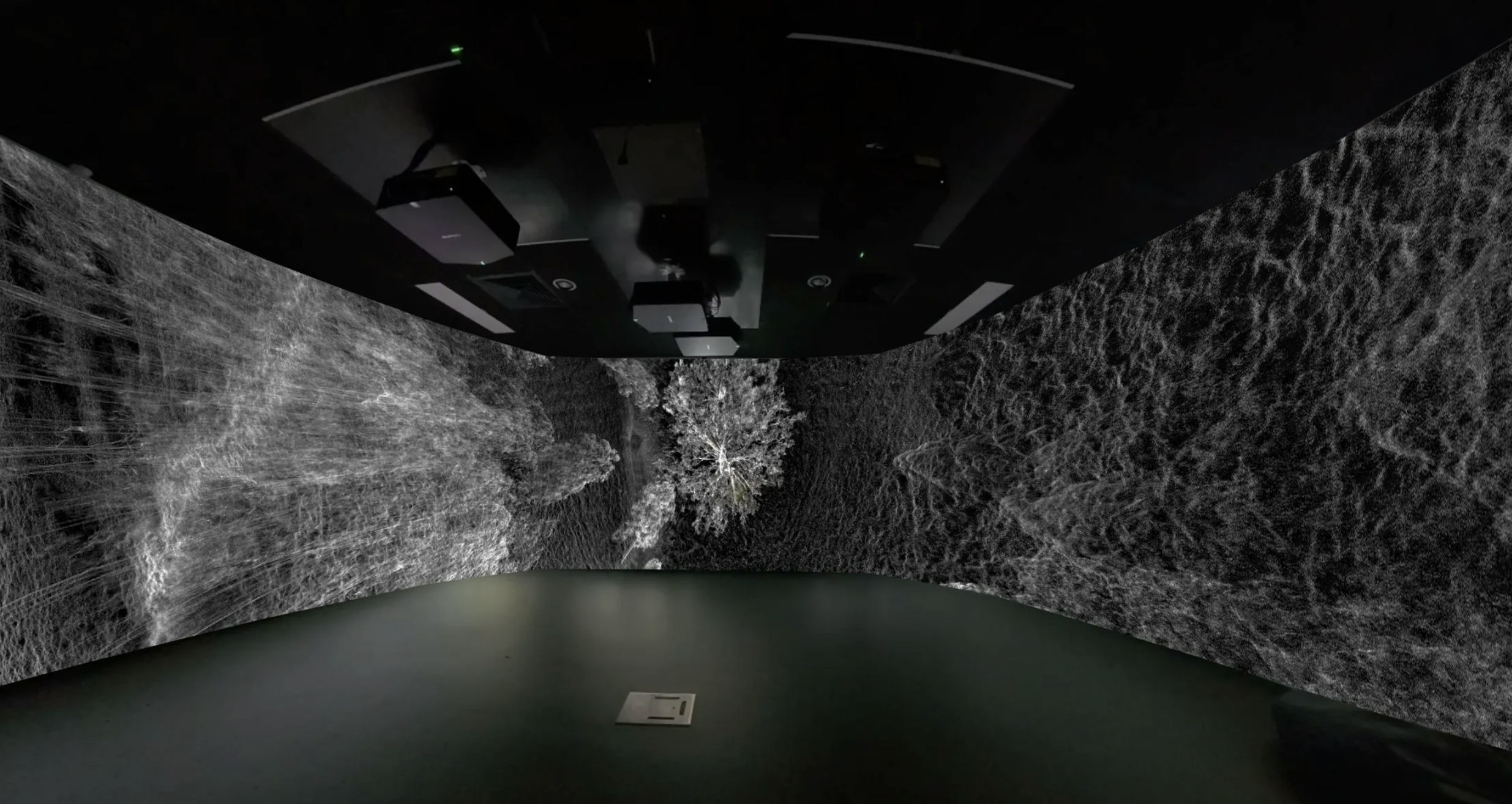
Keith Armstrong, Translucent Kinship, installation view UniSC, image courtesy Keith Armstrong.
Dr Keith Armstrong is an experimental artist profoundly motivated by issues of social and ecological justice. His engaged, participative practices provoke audiences to comprehend, envisage and imagine collective pathways towards sustainable futures. He has specialised for over thirty years in collaborative, experimental practices with emphasis upon innovative performance forms, site-specific electronic arts, networked interactive installations, alternative interfaces, art-science collaborations and socially and ecologically engaged practices.
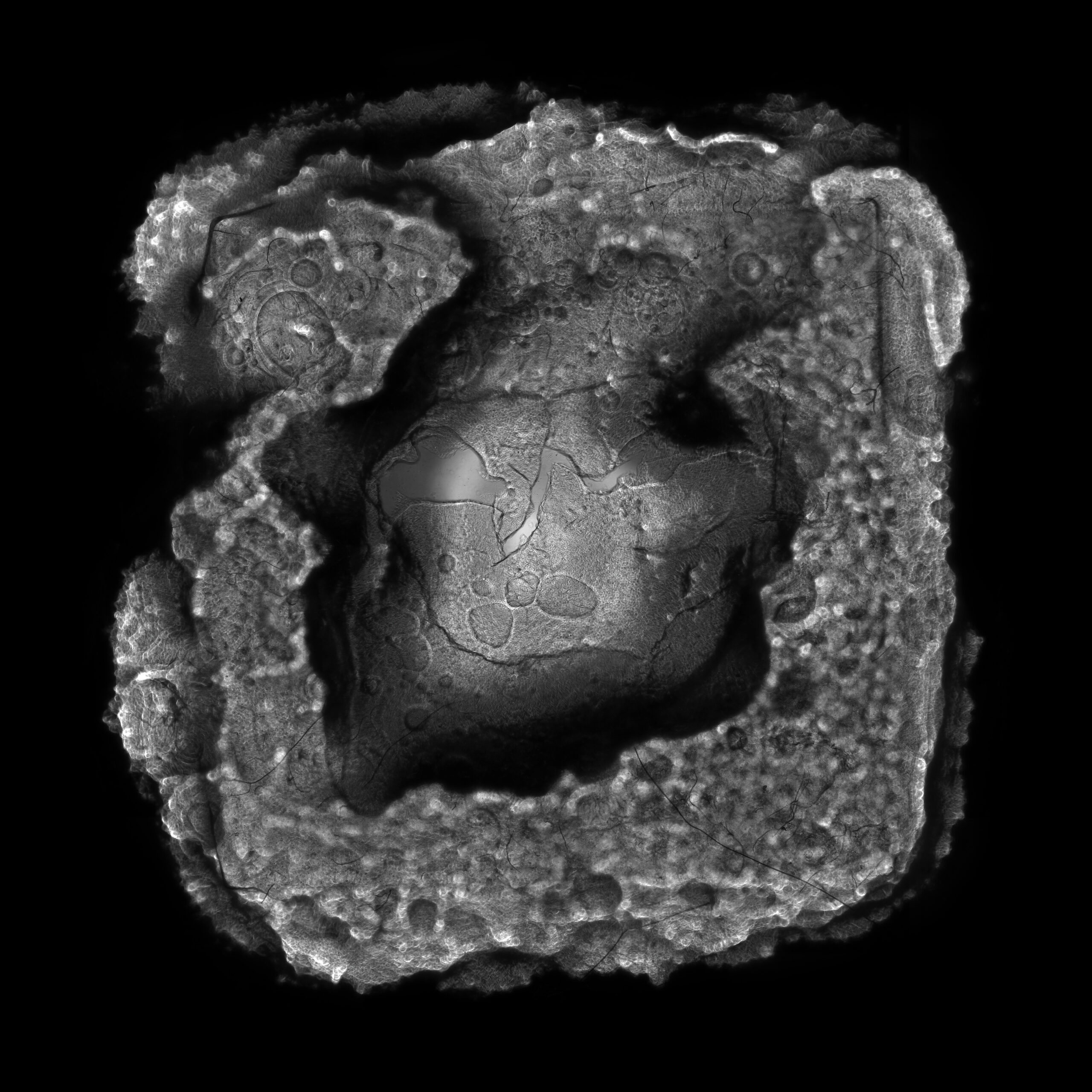
Linda Dement and the Cardiovascular Regeneration Group, University of Technology Sydney and Heart Research Institute, 2024. Microscopy of hydrogel bioprint with cardiac cells, archival print 400x400mm. Cell cultivation and bioprinting Demi Scheerman.
Dr Linda Dement has worked in arts computing since 1980s. Originally a photographer, her practice spans coding, image, video and sound. With a longstanding interest in bodies and technologies, she deals with issues of disturbance, commingling corporeality with the digital and electronic.
Dement attended an ANAT summer school in 1989 and has since engaged with and been supported by ANAT in various immeasurably valuable ways.
Her work has been widely exhibited, including at LA County Museum of Art, ICA London, Ars Electronica, ISEA and is in collections such as Bibliotèque Nationale de France, ArtBank, Australian Video Art Archive, NY Filmmakers Co-op, SIGGRAPH and the Daniel Langlois Foundation.
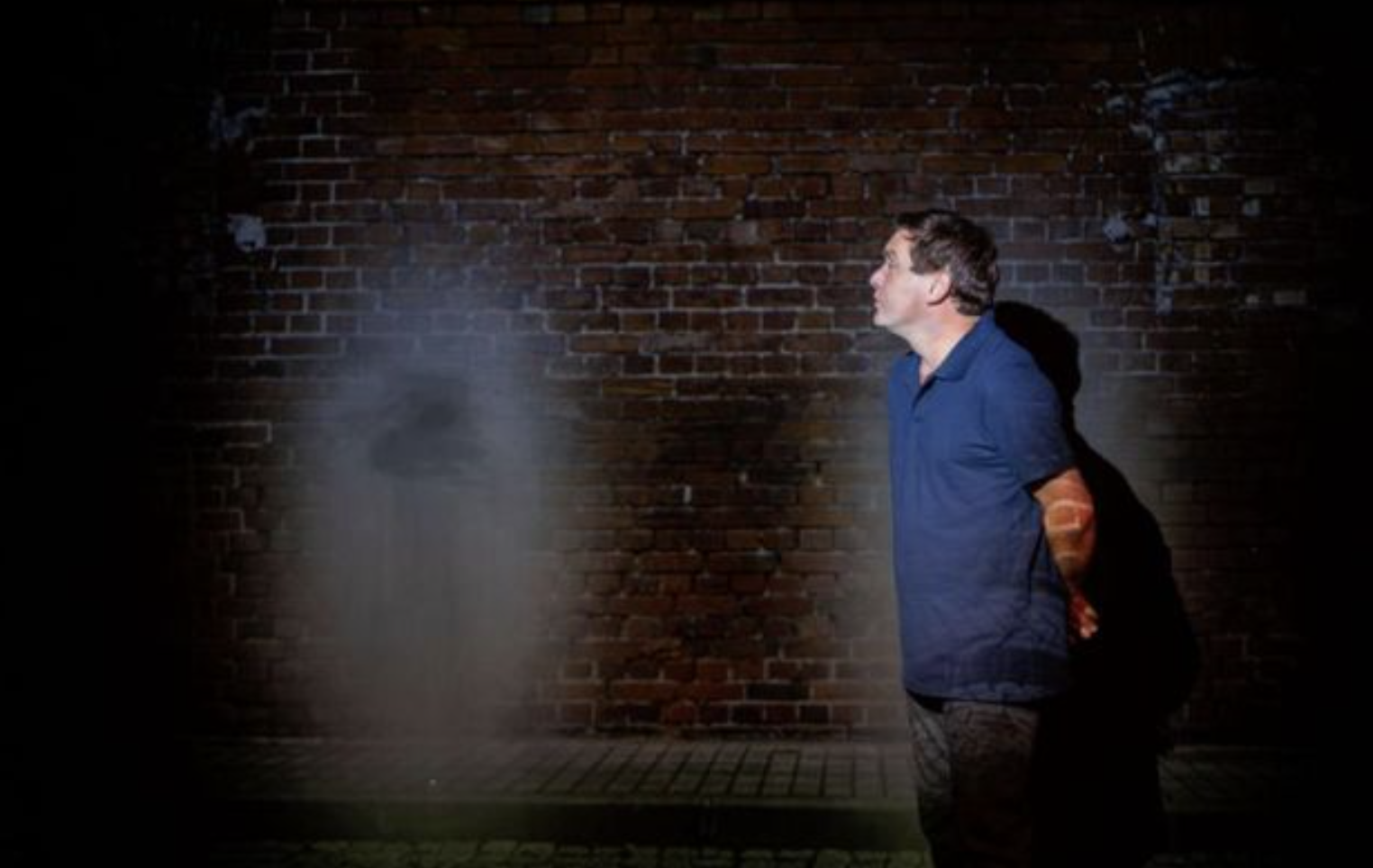
Michèle Saint-Yves, Clock For No Time, 2021, Photograph Abbie Heuer.
Michèle Saint-Yves primarily writes for performance—stage, screen, and poetry. Her embedded access ground-breaking play CLOCK FOR NO TIME won the SA RUBY AWARD 2022 for ‘Outstanding Work: Collaboration.’ She has four degrees, with the latest in 2020 as a medico-neuroscientist, winning UniSA Cancer Research Institute’s Cancer Biology Prize.
Prior to becoming disabled in 2001, Michèle had a career centred on social capital development, strategic planning, organisational development and policy-performance evaluation. She also served on non-profit Boards and Statutory Authorities. Since becoming disabled, she has served on Access & Inclusion Advisory Panels and undertakes consultancy work on arts access.
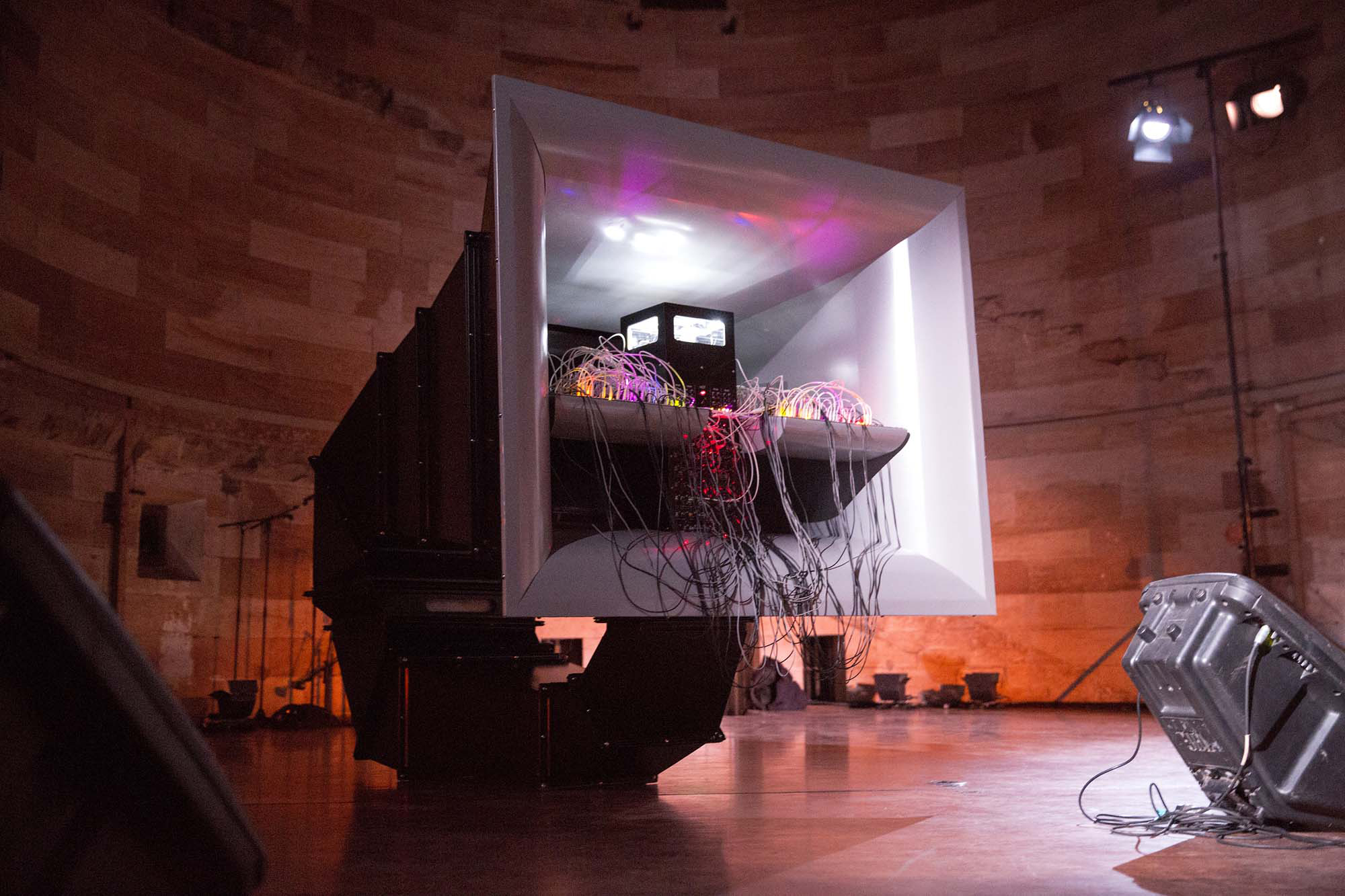
Guy Ben-Ary and Nathan Thompson, CellF, Installation view. Photograph Alex Davies.
Working with Dissipative Systems, both electromechanical and biochemical, Nathan John Thompson is fundamentally interested in the possibilities of man/machine interaction, sentience, agency and the relationships arising from the intimate connections developed when we allow these new techno-objects/entities into our lives. He manipulates life to question and problematise humanity’s position in the contemporary environment.
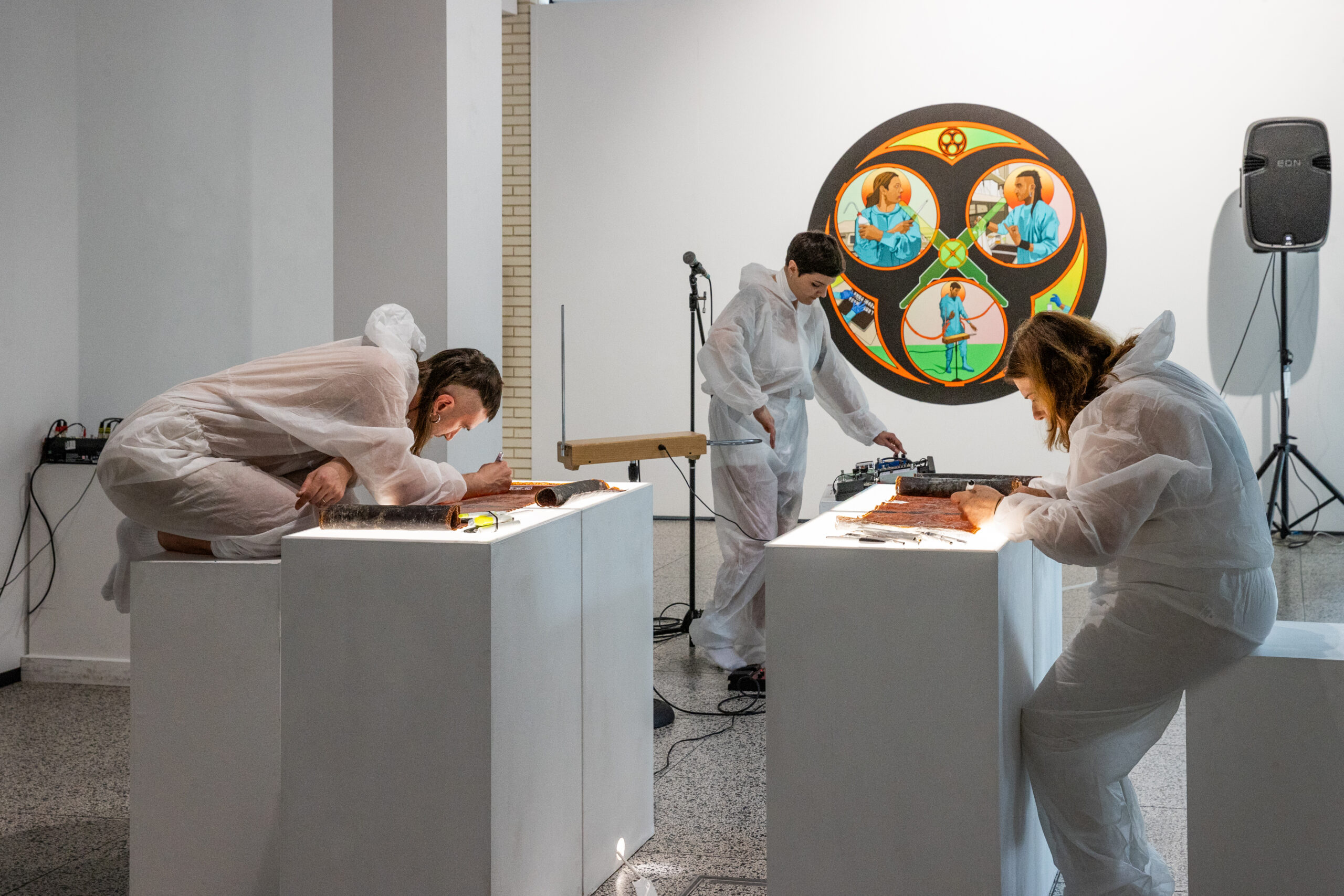
Niki Sperou & [M] Dudeck, Skin Bible, performance documentation, Newmarch Gallery, 2024, Photograph John Nieddu.
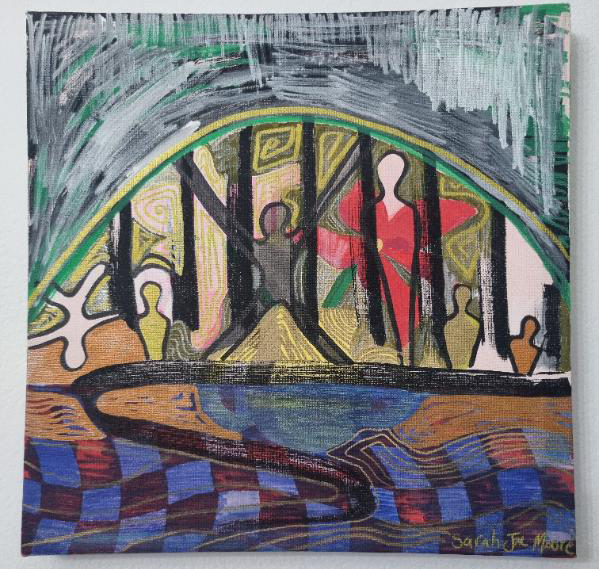
Sarah Jane Moore, She leapt, acrylic on canvas, 30cm x 30cm.
Dr Sarah Jane Moore is an accomplished interdisciplinary artist, educator, researcher, and children’s book author, renowned for her leadership within the arts sector. She holds a PhD in Reconciliation through Music and Art from the University of Sydney. Her nature-based, inclusive creative work in performance, visual arts, and community engagement brings the voices of rivers, mountains, and oysters to the fore, with Country at the heart. Driven by collaboration, she empowers through art, education, and advocacy.