Q&A October
In 2026, our monthly Q&A series turns its focus to the artists, peers and cultural leaders working alongside us to champion artists and the possibilities of interdisciplinary practice.
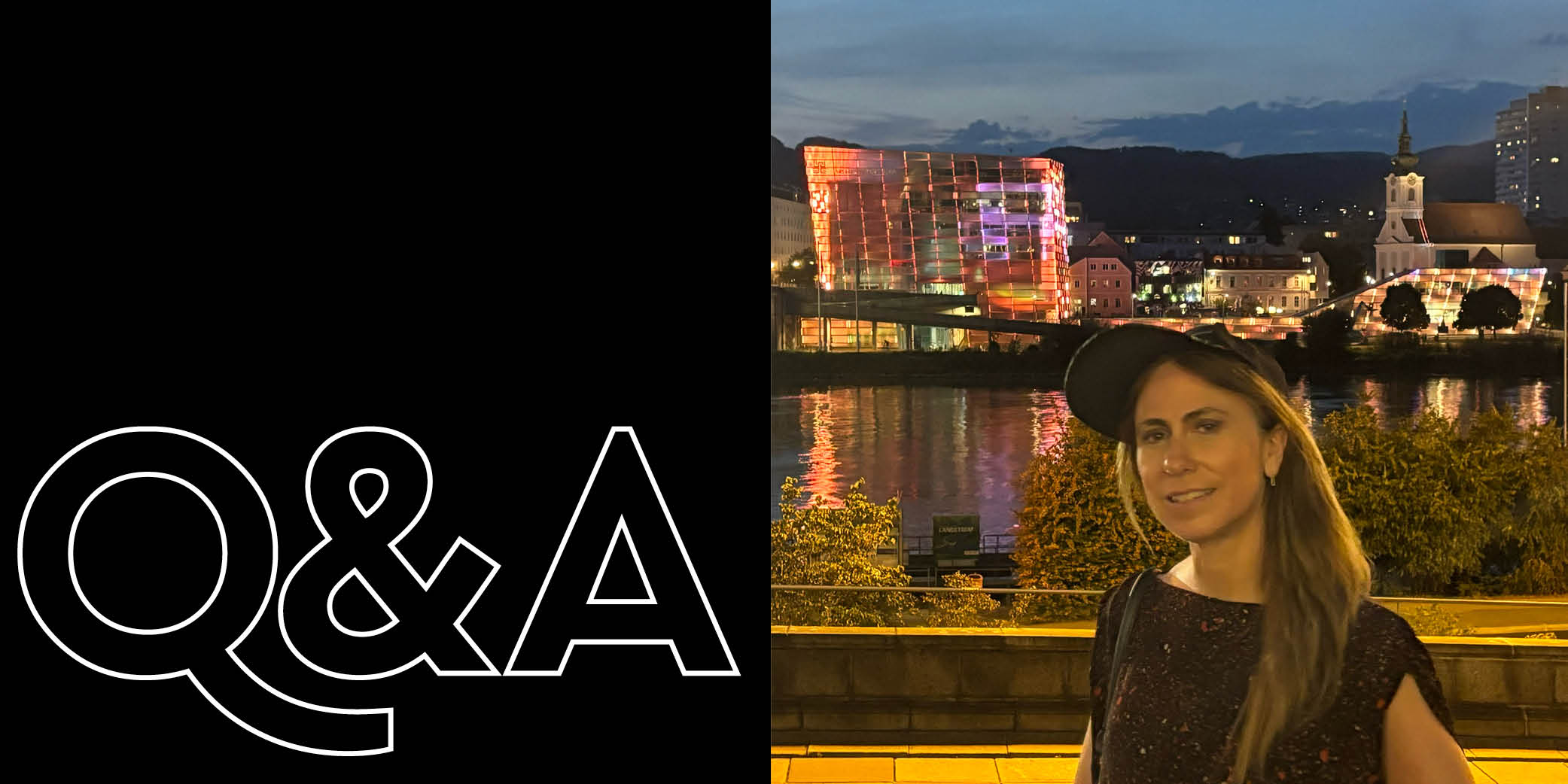
Rewa Wright, image courtesy the artist.
Rewa Wright
As a computational arts, real time animation, and emerging technologies researcher, Rewa Wright’s career is driven by a commitment to exploring the intersection of bleeding edge technologies, creative practice, and critical thinking. A key aspect of Rewa’s career trajectory is fostering interdisciplinary collaboration, bridging the fields of art, science, and technology to develop innovative frameworks that showcase the potential of computational creativity. She is deeply invested in mentoring and supporting underrepresented voices in digital media, ensuring that diverse perspectives shape the future of emerging technologies. Rewa’s participation in International groups such as ACM SIGGRAPH ( as a member of the Digital Arts Committee), IEEE Vis Arts Program ( co-Chair two years running for the Annual Conference), and the ISEA International Advisory Panel, affords the capacity to deliver a range of digital and interactive arts projects globally, for the benefit of diverse communities. Rewa is currently Senior Lecturer in Film, Screen, and Animation at QUT and the co-founder of UnCalculated Studio.
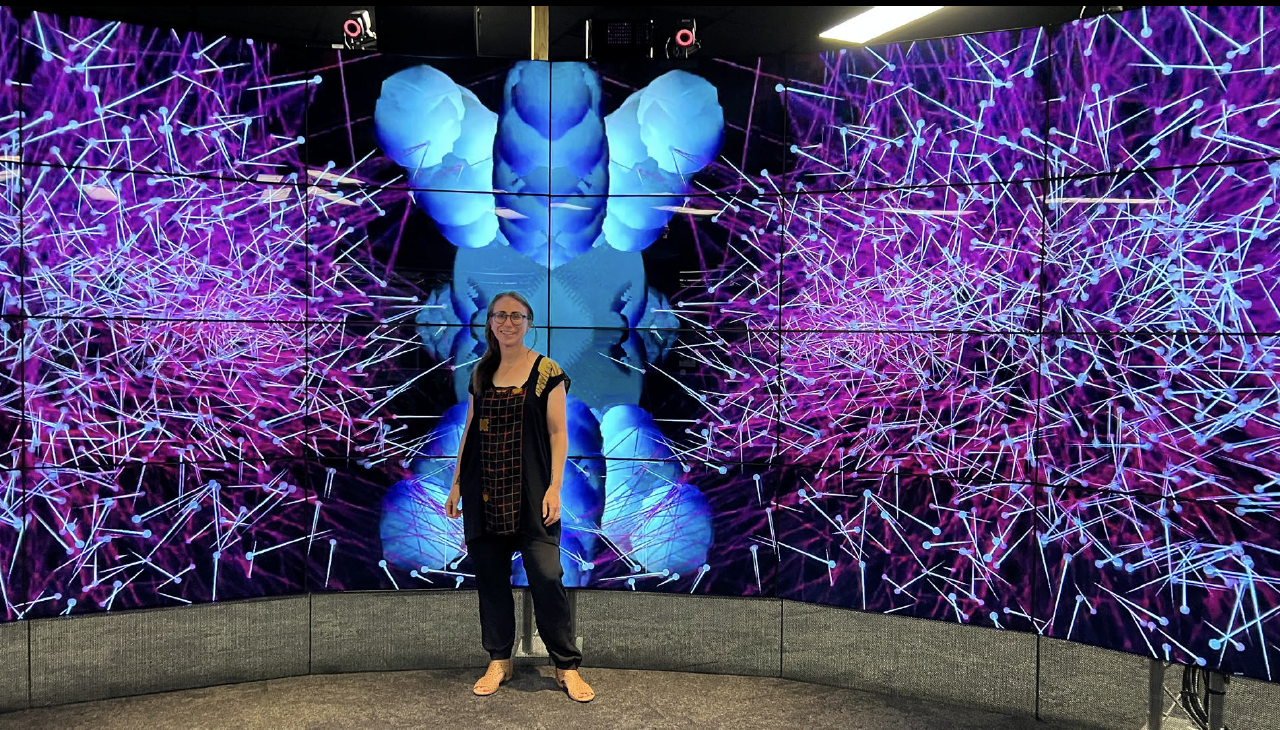
Rewa Wright, details to come
How has collaboration across disciplines shaped your work and/or practice?
Worlds do collide, if there is enough positive energy to guide. What excites me most about interdisciplinary collaboration is that it encourages humility. No single discipline has all the answers to the complex environmental, technological, and social challenges we face. The most rewarding projects (curatorial and artistic) I’ve worked on have emerged through conversations that crossed disciplinary boundaries and created entirely new ways of thinking together. I’ve never thought of collaboration as something that happens after an idea is formed. For me, collaboration is where the idea begins. My practice sits at the intersection of animation, artificial intelligence, interaction design, ecology, music, and critical theory, so working across disciplines has become both my methodology and my way of understanding the world. I am a committed champion of machine learning, yet I am a Gen AI skeptic! There is a huge difference between ‘generative’ AI and ‘assistive’ AI, and this is the critical field I believe needs more exploration. We should not sacrifice our natural, ecological environment on the beautiful blue marble, simply to generate more cat pictures ( although those are fun, we must cease and desist!). I am totally against corporate AI for the purposes of coercion, political manipulation and ideologically driven brainwashing. Like many artists, I am deeply saddened by the environmental load that data centres are adding to every community in which they are (mis)placed.
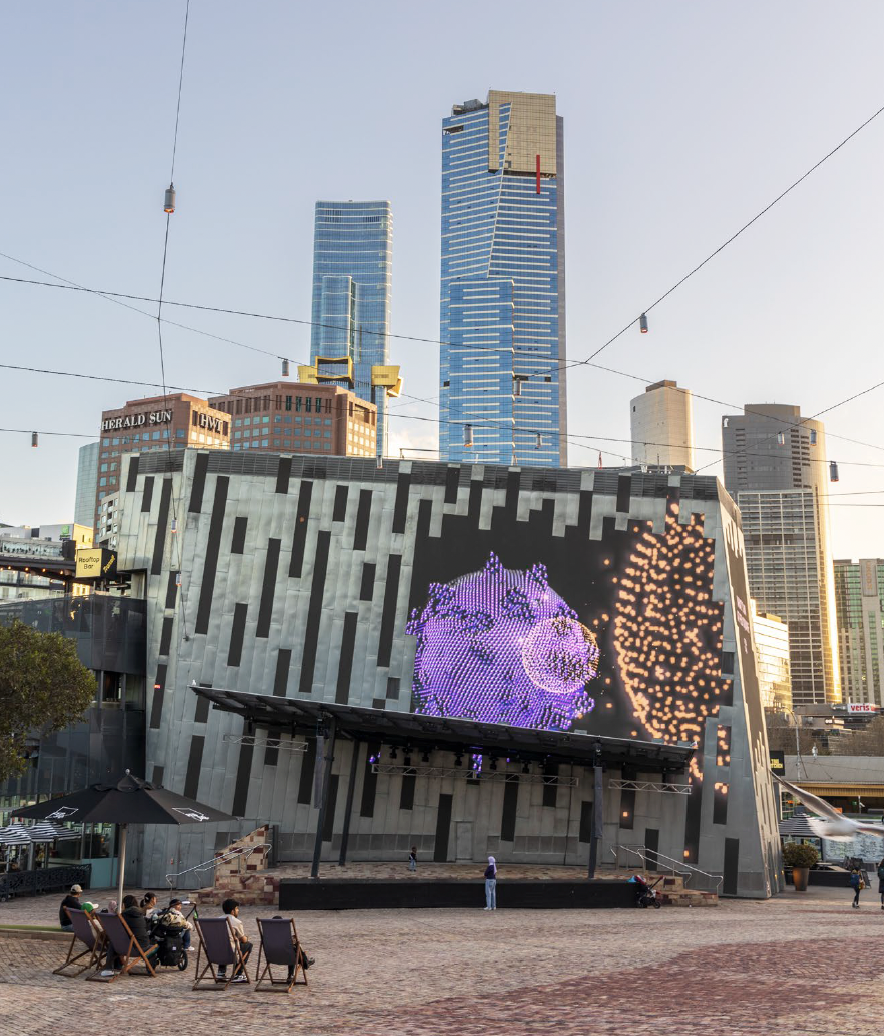
Rewa Wright, details to come
Which film, book, exhibition or moment shifted the way you see the world?
It wasn’t one defining moment so much as a convergence of experiences. Reading the work of Donna Haraway, Karen Barad, and Rosi Braidotti profoundly changed how I thought about agency, intelligence, and creativity. Deleuze and Guatarri are fundamental to my knowledge of continental philosophy, and I am deeply grateful to Prof Anna Munster from UNSW who steered me on the right path during my PhD. Their writing challenged the assumption that humans sit at the centre of knowledge production and instead proposed more relational ways of understanding the world. Around the same time, I began creating artworks using the bioelectrical signals of living plants. Watching plants influence audiovisual performances through their own electrical activity transformed these philosophical ideas into lived experience. It became increasingly difficult to think of technology as simply a tool. Instead, I began to understand creativity as something that unfolds through relationships between biological systems, computational processes, environments, and human intention. As a Māori researcher from Aotearoa New Zealand, this resonated deeply with Indigenous ways of knowing that understand humans as part of a larger web of reciprocal relationships. That convergence continues to shape both my creative practice and my research today, even though I just became an ‘official’ Australian Citizen in May this year.
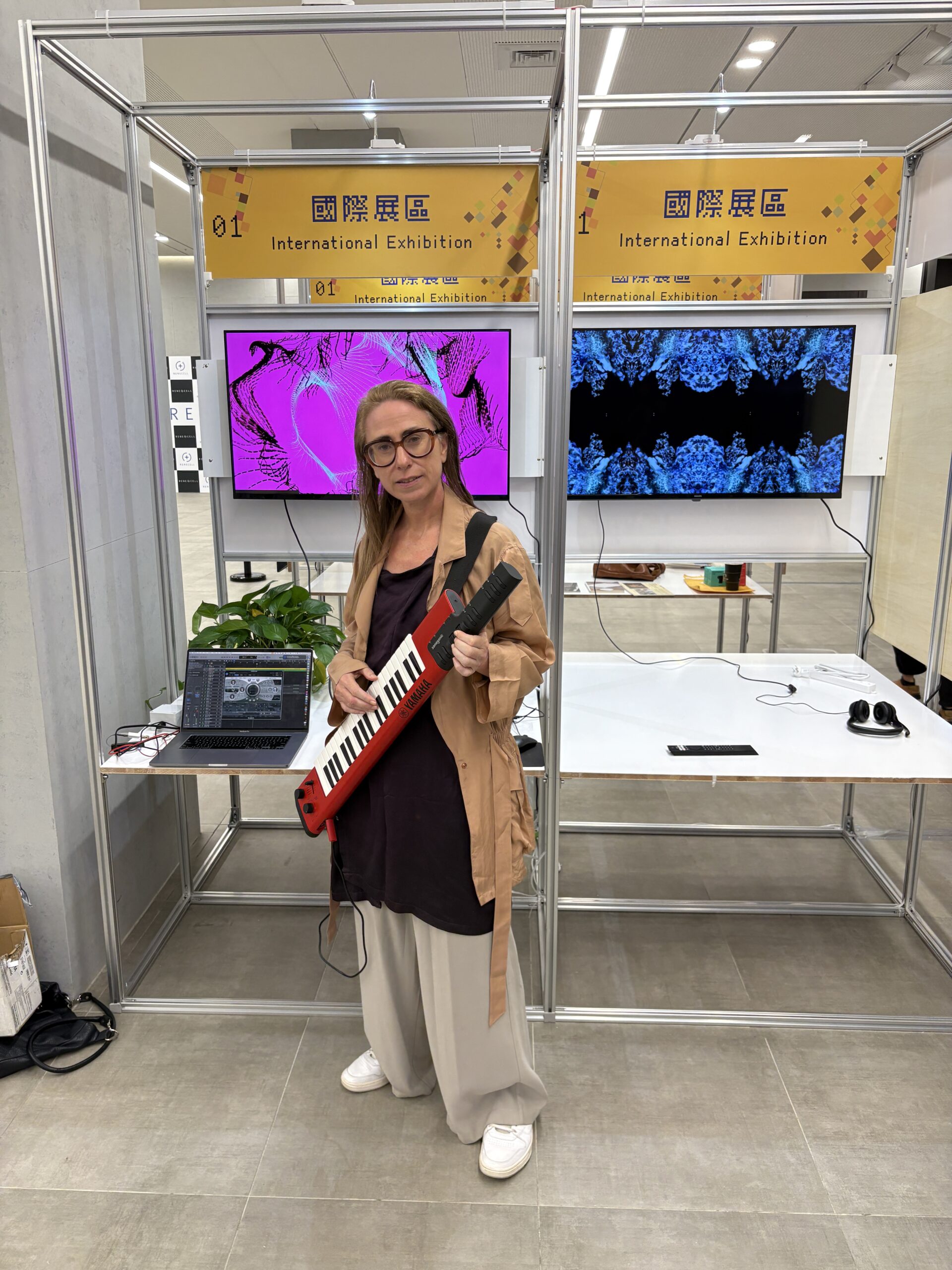
Rewa Wright, details to come
Who would be your dream collaborator and what would you want to create together?
I honestly never look for collaborators, so this answer will be a thought experiment. I already and solely work with Simon Howden, an international music producer who has been on the US Billboard charts 4 or 5 times and helms the music production company High Stakes Records. He is also my life partner, so that means he can’t escape when I need a soundtrack. We often repurpose his bopping chart monsters to give our art installations somewhat of an upbeat vibe. However, in this thought experiment, I’d collaborate with Maotik, they are an expert in interactive installations working with geo data and turbulent planetary systems. Check their work on Instagram @Maotik. I deeply admire the way they bring together natural phenomena, interactive sculpture, machine learning, performance, and community in ways that are culturally grounded and ethically thoughtful. Their work demonstrates that emerging technologies don’t have to erase the nature to create culture, as their work consistently creates space for different computational and aesthetic systems to coexist and inform one another.
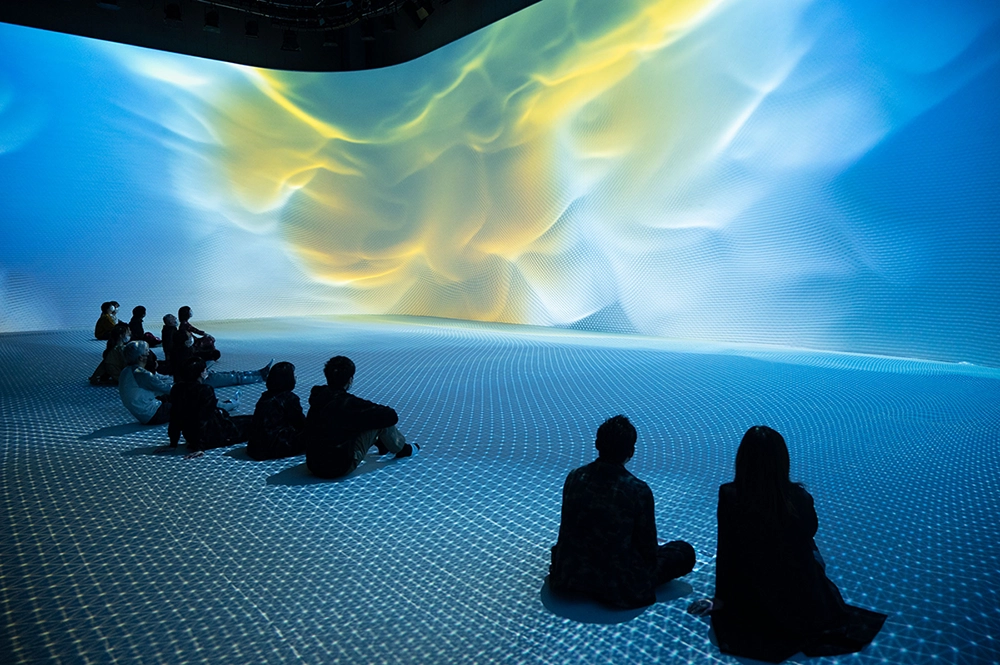
Maotik, Flow Eternal Space, 2021, concept: Maotik, generative visual: Maotik, sound: Cubenx
What’s next on your horizon—a project, an idea, a wild experiment?
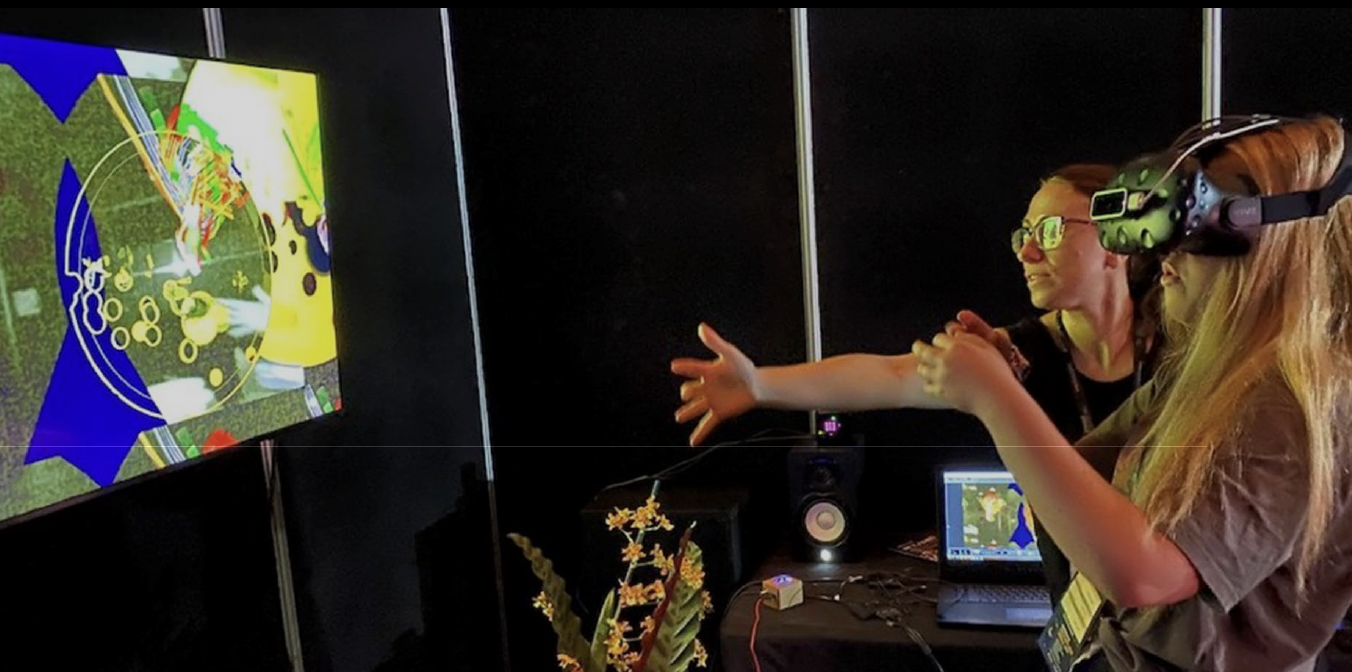
Next on my horizon is Between Species: Spectral Signals, a new live audiovisual performance for Prague Quadrennial (June 2027) that extends UnCalculated Studio’s long-running work with plant bio-signals into a more explicitly spectral and embodied register. The work brings living plant signals into relation with cancer, via PET CT, MRI scan and laproscopic imagery from my own leiomyosarcoma diagnosis, a rare disease effecting only 1 in 100,000 individuals. I use this data to co-creating a performance environment shaped by vegetal electrical activity, medical imaging, sound, and responsive visual systems. Without relying on ritual or invocation, the work aligns with the Prague Quadrennial performance theme Tricky Ghosts by proposing haunting as an ecological condition: a field of living signals, delayed responses, distributed agencies, and unresolved presences that persist at the edge of perception.
Rewa Wright, details to come
ANAT supports work that pushes boundaries and connects fields. How do you see your work contributing to new ways of thinking or creating in the world?
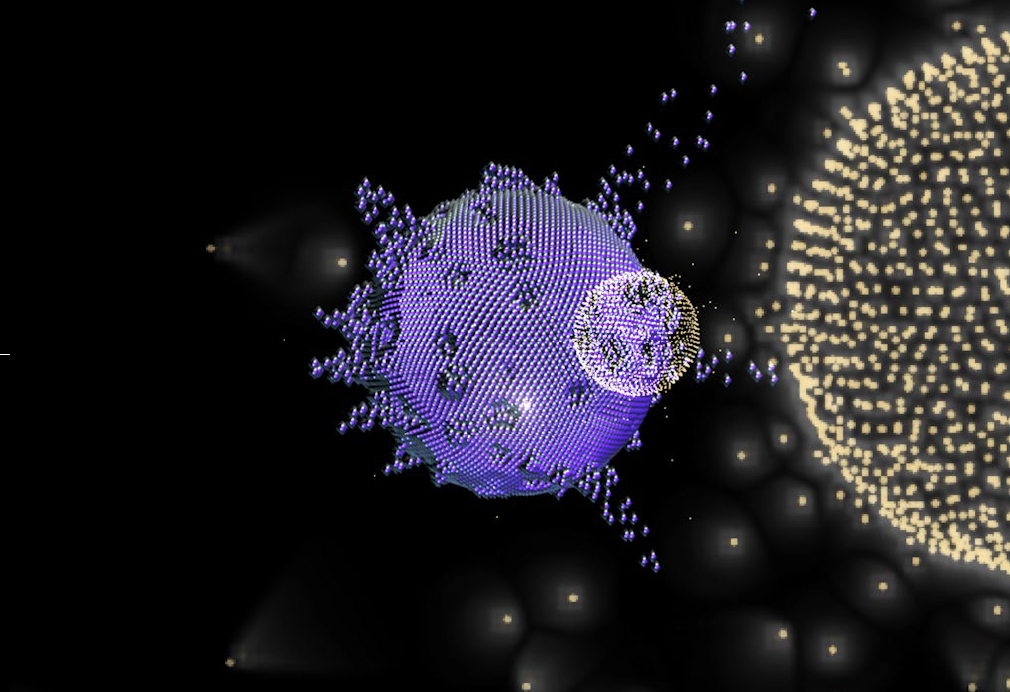
An equally important part of my practice is creating opportunities for others. I feel incredibly privileged to contribute to the computational and interactive arts community through curatorial projects, international exhibitions, conference leadership, and mentoring emerging artists and researchers. I see curation as a form of research and mentorship—a way of creating conditions where new ideas, collaborations, and critical perspectives can flourish. Through curatorial projects such as Constellations at ISEA2024, I’ve sought to create international platforms for emerging practitioners working across art, science, and AI. As a member of the ISEA International Advisory Committee, I’m also fortunate to contribute to the global discourse surrounding electronic and interactive art, helping shape conversations about emerging technologies while strengthening connections between Australian practitioners and the international community.
As the first person in my family to attend university, I also understand how transformative education can be. I’m passionate about reducing financial and structural barriers to participation in higher education and take enormous pride in supporting talented students from low socioeconomic backgrounds to realise their creative potential. For me, mentoring the next generation is just as important as producing new research. I hope my contribution lies not only in developing new ideas, but in helping build inclusive creative communities where others can thrive. My perspective has also been profoundly shaped by my background as a Māori woman from Aotearoa New Zealand. Māori worldviews emphasise relationships, reciprocity, and responsibilities between people, place, and the more-than-human world. These perspectives have encouraged me to move beyond predominantly Eurocentric understandings of technology and towards questions of interspecies justice, Indigenous rights, ecological responsibility, and gender equity. These are not separate concerns within my work, they are interconnected ways of thinking about what responsible technological futures might look like.
Rewa Wright, details to come
What do you think of when you think about ANAT?
When I think of ANAT, I think of one of Australia’s most important champions of experimental practice. For decades, ANAT has created space for artists to work across disciplines and to engage critically with emerging technologies long before those conversations entered the mainstream. It has consistently recognised that some of the most significant creative questions emerge where art meets science, technology, ecology, and society.
I see ANAT as an organisation that has helped shape Australia’s international reputation in computational and interactive arts. Its commitment to research, experimentation, mentorship, and international exchange has enabled generations of artists to develop ambitious interdisciplinary practices while contributing to broader cultural conversations about technology and its implications.
At a time when AI is transforming creative practice at extraordinary speed, I think ANAT’s role is more important than ever. It provides a space where artists can ask not only what technology can do, but what kinds of relationships, values, and futures we want technology to help cultivate. That spirit of curiosity, critical inquiry, and generosity is something I’ve always admired, and it resonates strongly with both my research and my creative practice.