terra_nova, image details to come
nervous_objects rebuild their pioneering 1999 online artwork
Artists from the nervous_objects collective have rebuilt their pioneering 1999 online project terra_nova originally developed after their members met through the 1997 ANAT National Summer School, held in Hobart, Tasmania.
nervous_objects are: Free the Radical (Adelaide, SA) ~ network hacker, brain bender; Cam Merton (Perth, WA) ~ code master; Joyce Hinterding (Lawson, NSW) ~ electro mapper; Glen O’Malley (Woopen Creek, Queensland) ~ photo-sensor, walker; Damian Castaldi (Katoomba, NSW) ~ dream seeker; Leesa Willan (Melbourne, Victoria) ~ word cracker; Rick Vermey (Perth, WA) ~ infrared tracker; Anne Robertson (Melbourne, Victoria) ~ long distance looker; Lisa Burnett (Darwin, NT) ~ sweet order; Anita Kocsis (Melbourne, Victoria) ~ vector/flat_land interrogator.
Coming together from a range of geographical locations as far afield as Perth, WA, Adelaide, SA, the deep North of Queensland and the Blue Mountains, NSW, nervous_objects coalesced their diverse media practices of photography, digital graphics, creative coding and sound design to create works that eclipsed the individual contribution of each artist.
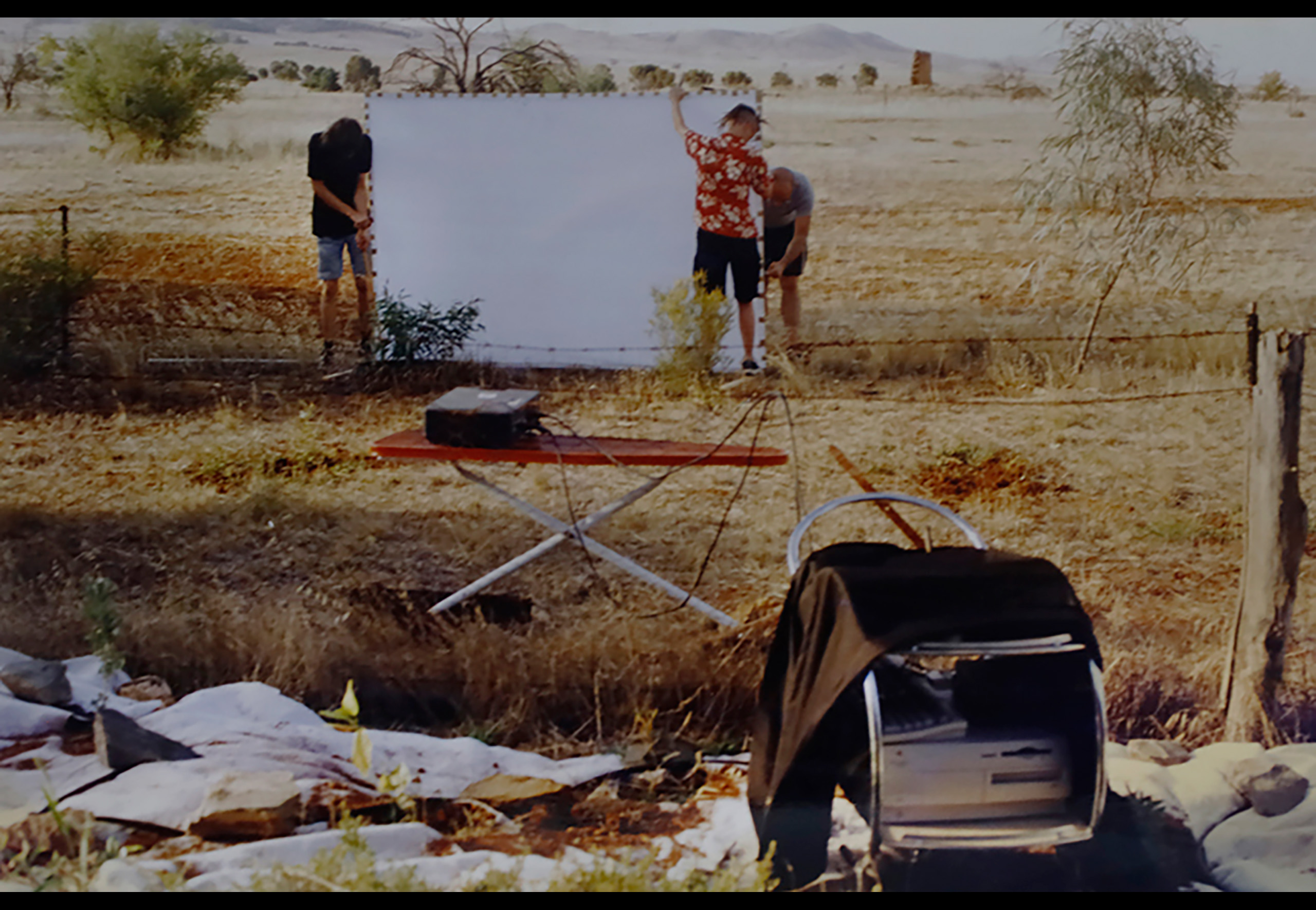
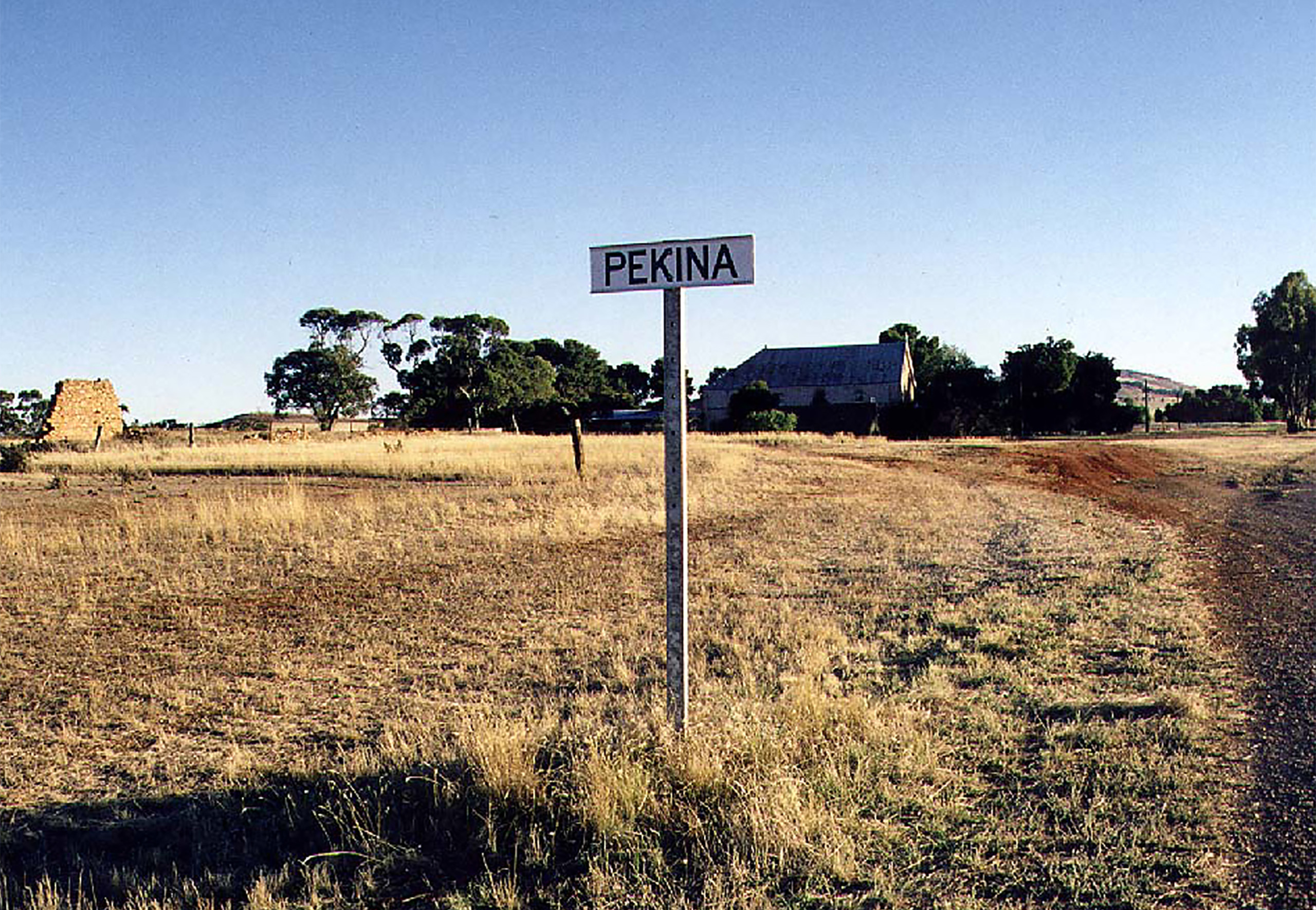
Building upon their lingua_electtrica project exhibited at Artspace, Woolloomooloo in late 1997 and as a part of ISEA 97, terra_nova was presented as a live, singularly online (only) work in January 1999. Developed over an 18 month period with intensive online collaboration and a single real world flesh meet in Melbourne the project was finally realised in January 1999 in Pekina near Orroroo in South Australia’s Flinders Ranges.
terra_nova was an early experiment in networked media, environmental data and collaborative online art. Originally funded by the Australia Council for the Arts, the work brought together physical travel, remote exchange, sound, image, video and live weather network/internet/web input to create a realtime digital environment shaped by a sense of place.
terra_nova, image details to come
terra_nova :: the source has changed but the signal remains
At its centre, the work operated as a wind-driven media engine. Live weather data in situ from Pekina (incorporating live wind speed and direction data) determined how the online artwork presented itself moving through a grid of media fragments gathered from the site. On windy days, the work became more active and restless; on calm days, it reduced itself to a deliberate form of slow art.
Created before social media feeds, smartphones, platform culture and contemporary AI, terra_nova now stands as a significant example of pre-platform Australian net art. It imagined the web not as a feed or publishing channel, but as a live, responsive environment: a system that could listen to weather, place and distance, then translate it into a coherent composition of sound, image and movement.
 ENTER THE SITE
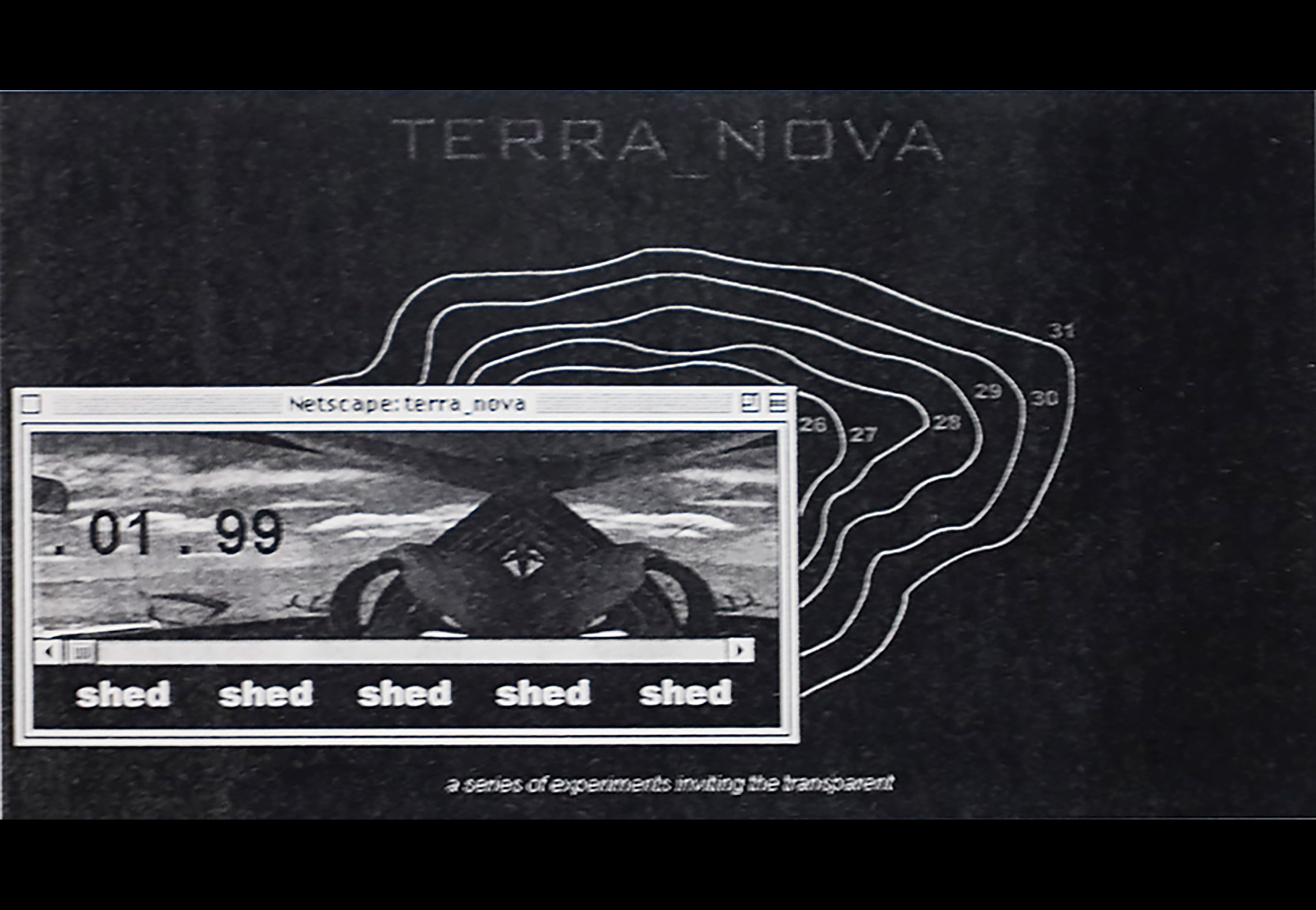
Twenty-seven years later members of nervous_objects have undertaken a major reconstruction of the work, adapting it for modern web browsers and mobile phones. The rebuild has involved recovering and reworking historical material, converting obsolete media formats, replacing broken web behaviours, and reconnecting the artwork to live weather data from Pekina.
In this renewed form, the work continues to speak to the legacy of ANAT’s Summer Schools and the continuing history of artist-led digital art practice in Australia.
Returning terra_nova to a state that can now be viewed on modern phones and devices, nervous_objects have not simply restored a once dormant project; the collective has extended the life of the work itself. Beginning in mid-2025 and unfolding over 12 months, the process became a renewed phase of the terra_nova project: part archive, part engineering challenge, part collective decision-making system, and part live environmental artwork. The current members of nervous_objects have worked through their accumulated project history, once again using a process of continued dialogue and review, recovering media that had been buried, lost, or made invisible by the original project’s live and shifting structure.
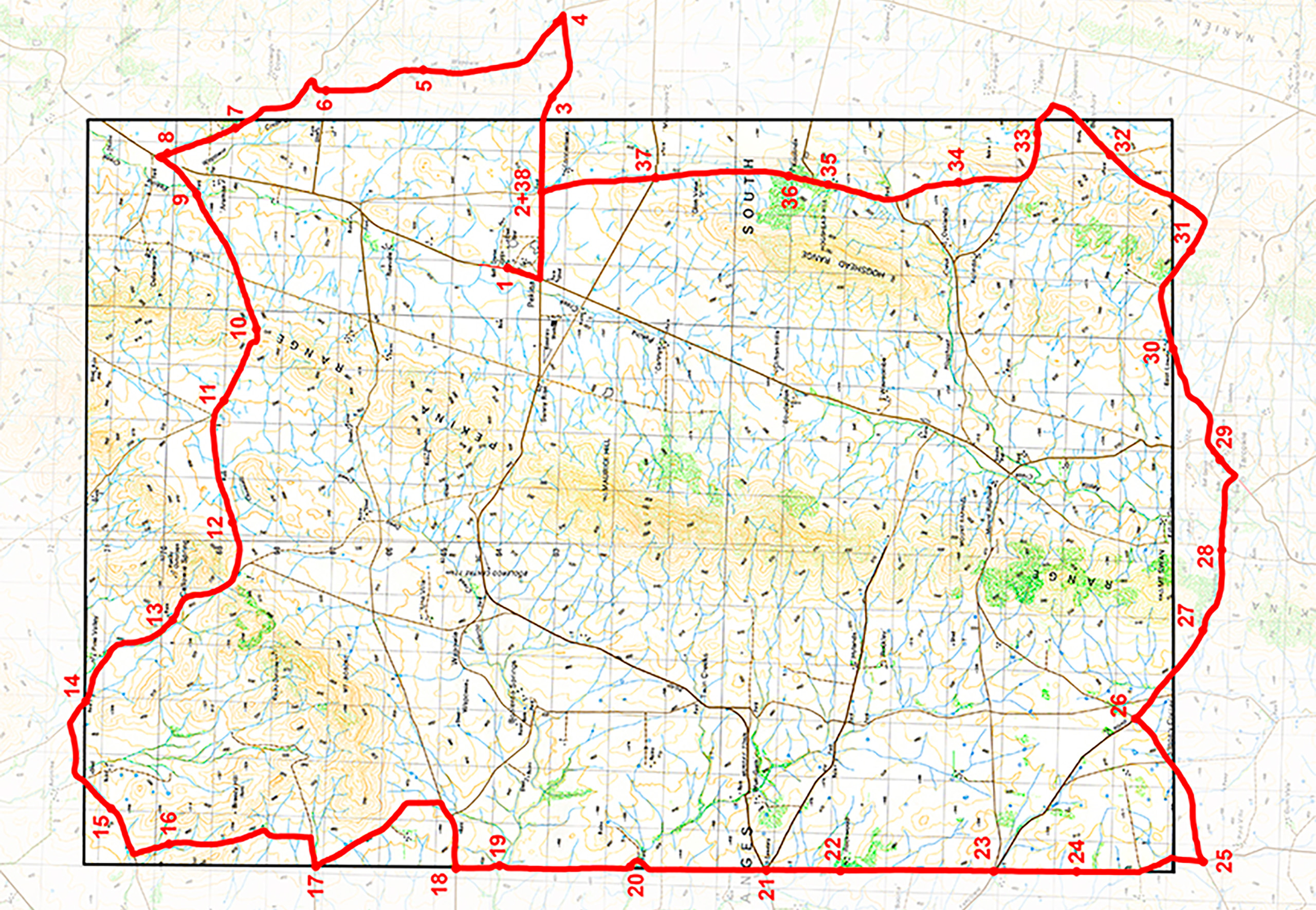
terra_nova terrain map outlined
Obsolete audio, image and video media had to be translated into contemporary formats, whilst the original web logic was also carefully studied so that the new version could remain historically faithful without becoming a static museum copy.
New systems were built around the archive, including tools that allowed the collective to review, sort and vote on which recovered material should re-enter the work. Machine-assisted development became part of that process, not as an external author, but as a technical and archival layer within the collective’s long-standing interest in networked systems, distributed authorship and responsive online spaces.
Most importantly, the live weather engine was rebuilt so that terra_nova could once again be driven by real-time live weather conditions in Pekina. Allowing the work to resume its original conversation regarding sense of place, environment, live weather data, and constant state of brokenness (unstable media), whilst also maintaining the integrity of the project’s edifying record of image, video, and sound.
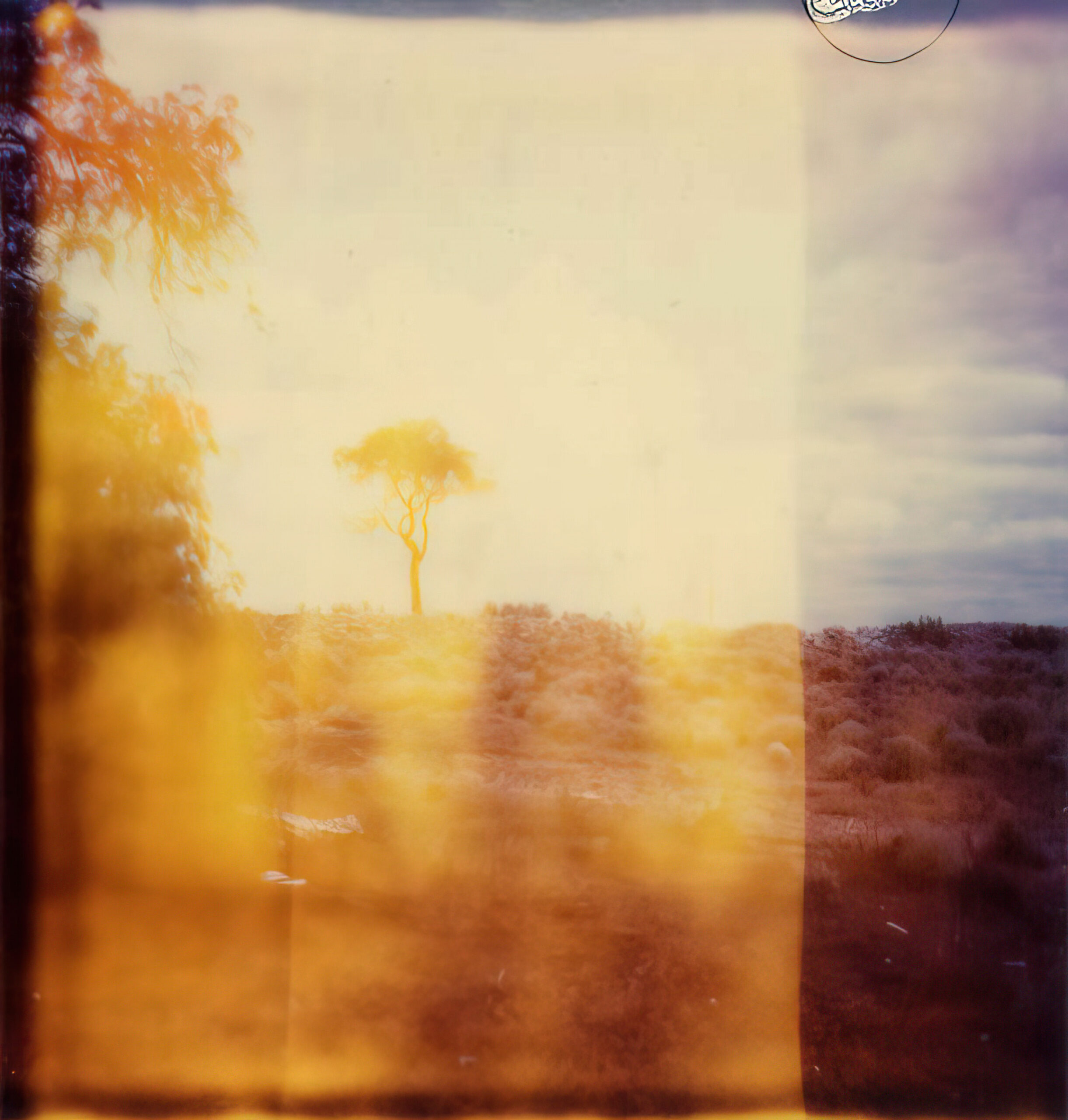
terra_nova, image credit details to come
For nervous_objects, the rebuild is not a relaunch rather an act of media archaeology: a way of keeping a fragile historical digital artwork alive without flattening the conditions that made it strange, local and experimental in the first place. The technology has changed, but the core mechanism remains – the weather still drives the work.
The placement of terra_nova as both a new and historical work in the contemporary ‘new-media art’ landscape raises timely questions about how early online new-media artworks can be preserved, rebuilt and reactivated when the platforms, plugins, browsers and networks they once depended on have disappeared.
The process of rebuilding the terra_nova project has reinvigorated nervous_objects to consider the possibility of creating future works, whilst also opening opportunities to exhibit the terra_nova project in a gallery context.
The collective – nervous_objects
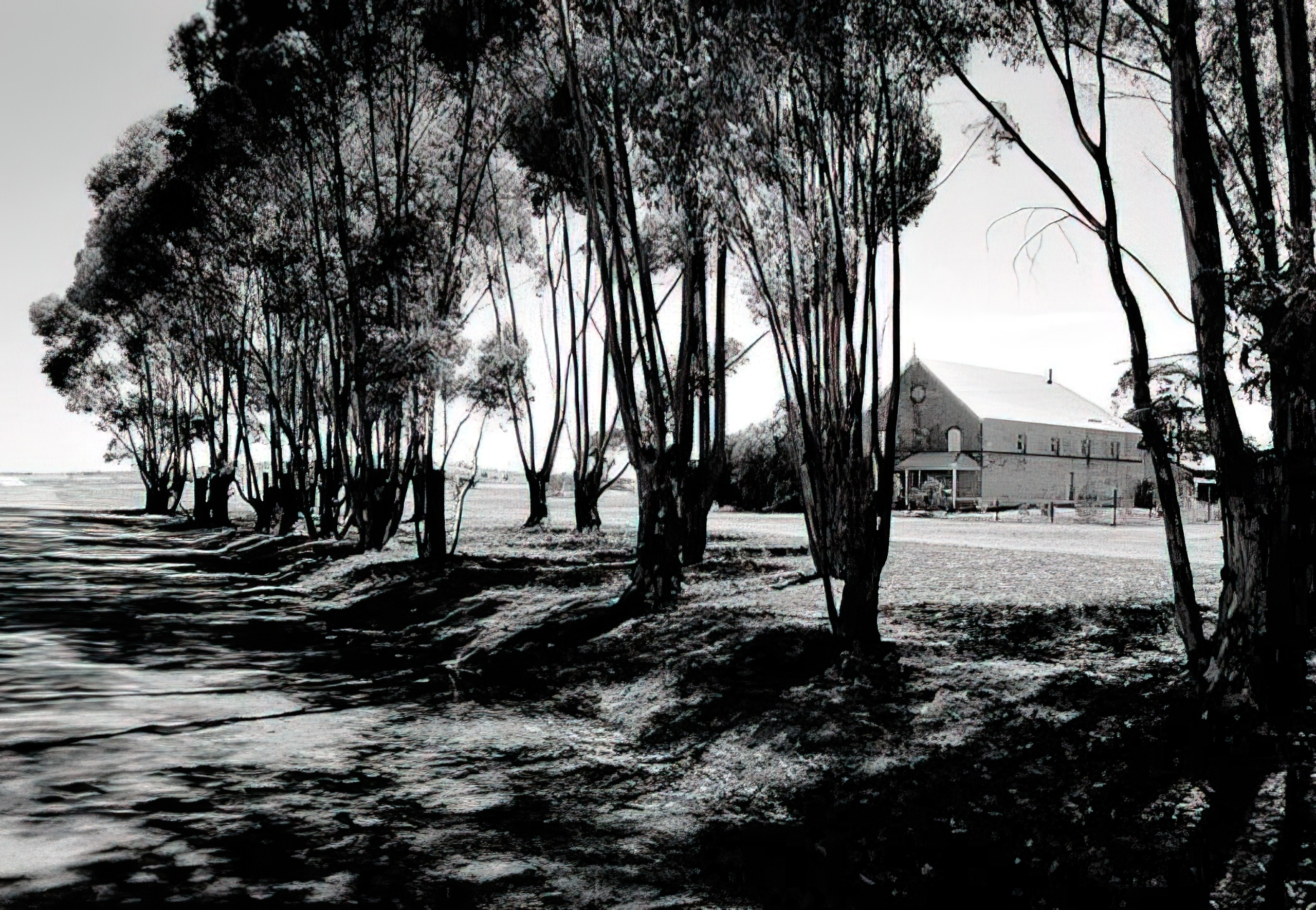
terra_nova, image credit to come