When art collides with science and technology, magic happens. This cross-disciplinary, creative collision is at the heart of everything ANAT does, most notably in our flagship residency program, ANAT Synapse.
ANAT Synapse is a residency program that involves Australian research organisations hosting artists in residence to undertake a period of creative research and practice. The program brings artists and researchers together in partnerships that generate new knowledge, ideas and processes beneficial beyond both fields.
20 years of the Synapse residencies
Since its genesis in 2004, ANAT Synapse has enabled research collaborations between more than 100 artists and scientists. We have facilitated crossovers between numerous artistic and scientific disciplines over the years – between sound design and ecology, new media and data science, poetry and astrophysics, and many, many others. All genres of practice and fields of study are welcome. In 2024, ANAT celebrated 20 years of the Synapse residency program by offering the ANAT Synapse Fellowship.
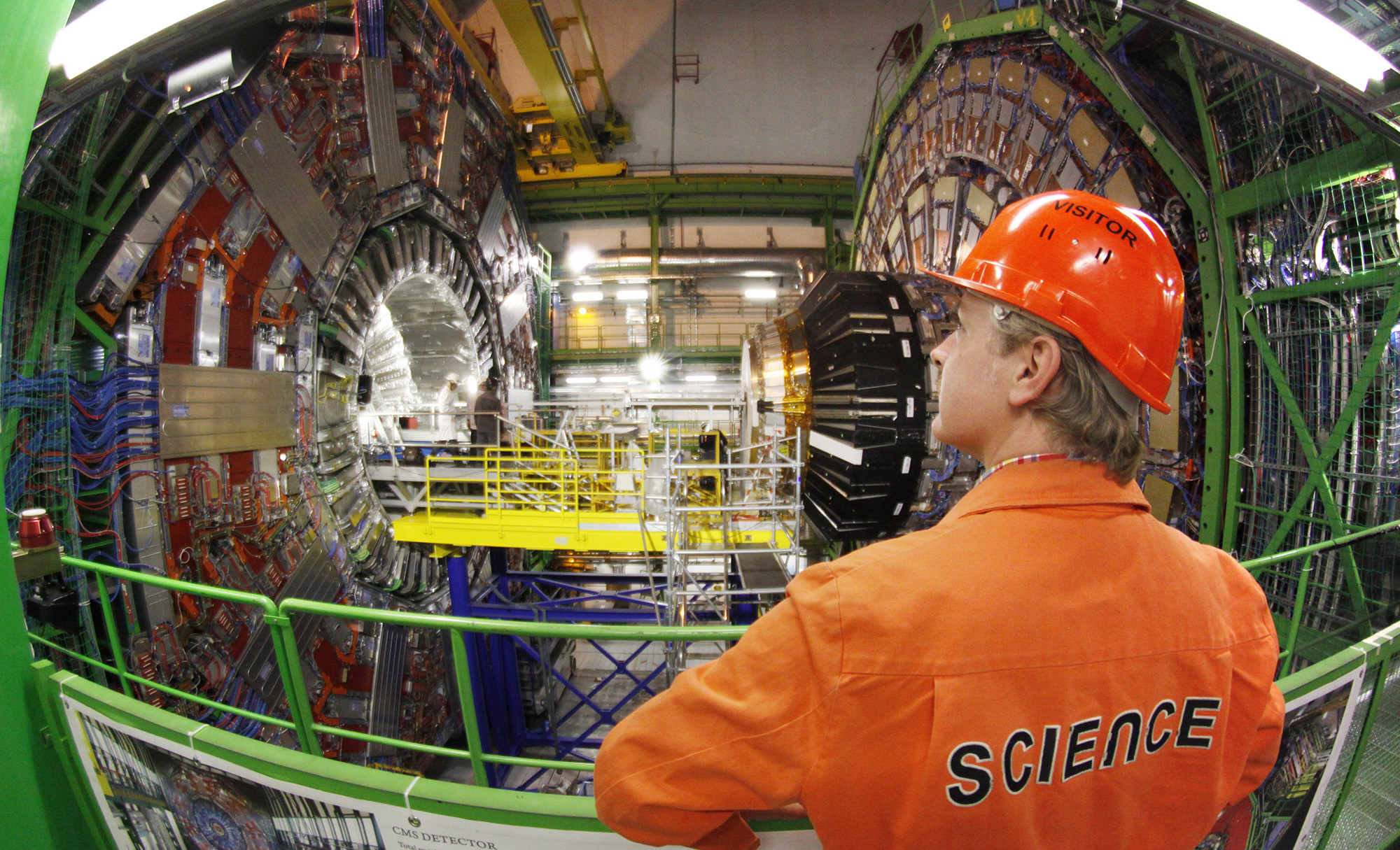
Chris Henschke at the CERN CMS (2014). Photograph by Michael Hoch.
ANAT Synapse Fellowship
CHRIS HENSCHKE + MARK BOLAND (UNIVERSITY OF SASKATCHEWAN & CANADIAN LIGHT SOURCE) & MICHAEL HOCH (CMS)
We were delighted to announce, Chris Henschke was named the recipient of the ANAT Synapse Fellowship for 2024!
This prestigious fellowship, commemorating 20 years of the ANAT Synapse residency program, offered a one-off fund to support a Synapse Alumnus in propelling the trajectory of their interdisciplinary artistic practice.
Chris was awarded $20,000 to undertake the creative research project Future Accelerations & Quantum Expressions, returning to CERN for an exciting two-month collaborative residency through the ART@CMS program. Working alongside his longtime collaborator Mark Boland (University of Saskatchewan and the Canadian Light Source), and CERN physicist Michael Hoch, Chris developed several interrelated media and sculptural projects. His research culminated in a presentation and performance as part of CERN’s 70th birthday.
During his ANAT Synapse Fellowship, Chris delved into future accelerator technologies and expanded upon his exploration of matter-energy harmonics, a pivotal aspect of particle physics. Drawing from his experiences in both his 2010 ANAT Synapse and 2018 ANAT Synapse CSIRO residencies, Chris broadened his artistic practice by venturing into new realms of experimentation and performative expression.
Chris Henschke’s 2010 ANAT Synapse project Lightbridge, in collaboration with physicist Mark Boland, aimed to create an audio-visual interface to explore the nature of the Australian Synchrotron’s ‘tune’ – what scientists call the complex frequency harmonics generated from the synchrotron’s beam status and position data – and to make this real-time data available to other artists and researchers.
READ CHRIS'S CREATIVE RESEARCH JOURNAL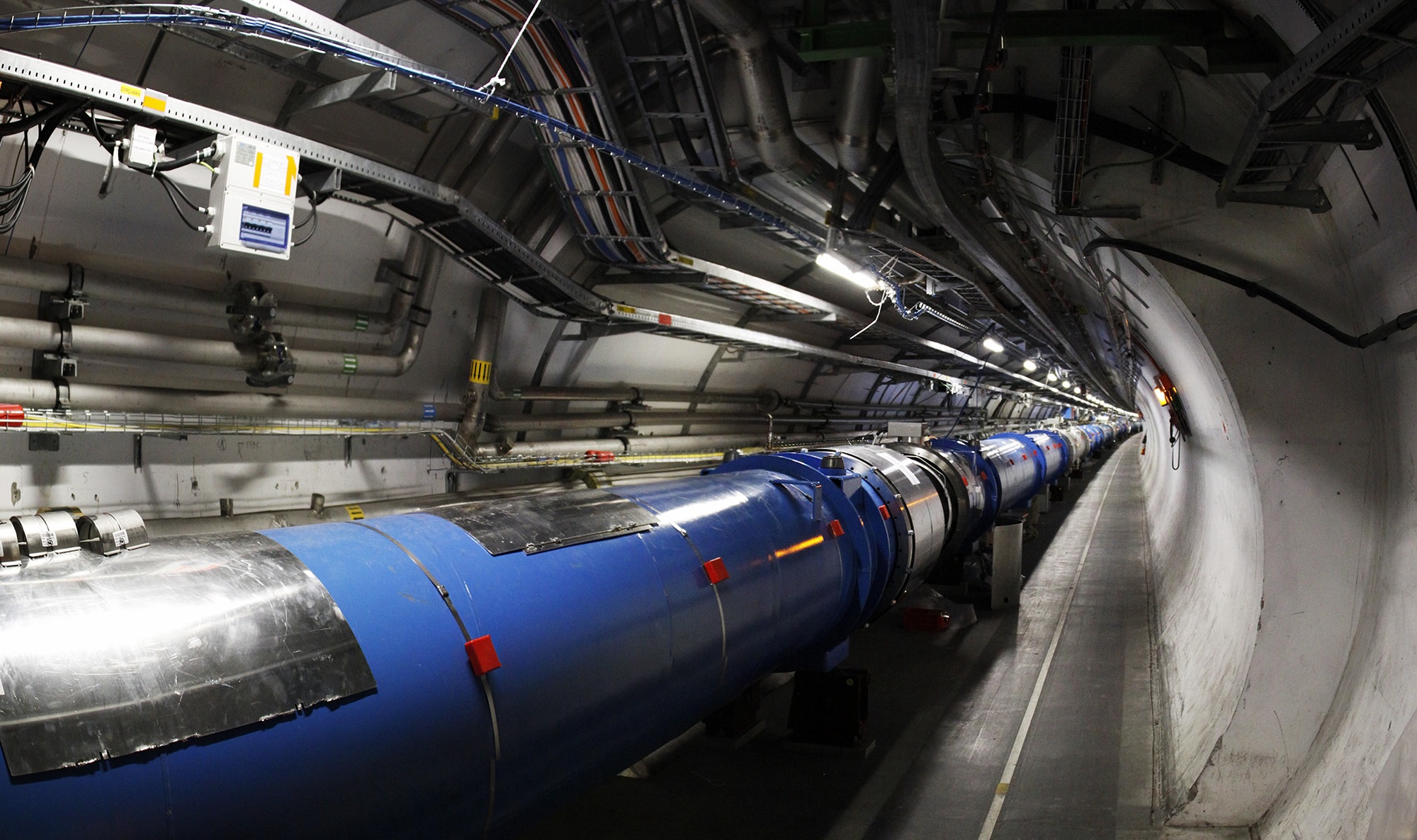
The Large Hadron Collider. Photo by Chris Henschke.
In his 2018 residency, Chris worked with CSIRO scientists Xavier Mulet and Michael Batten to test the potential for programmable Metal Organic Frameworks (MOFs) to produce audiovisual effects. He experimented with the nature of chemical synthesis, and how this could be manifested using the MOF chemicals directly. His experiments were then showcased in the Synthesism exhibition.
In 2024, in his ANAT Synapse Fellowship, Chris developed a series of interdisciplinary art/physics projects at CERN, the European Organisation for Nuclear Research, working with his original 2010 Synapse collaborator Mark Boland, and CMS physicist Michael Hoch.
As part of the ANAT Synapse program, residents create online creative research journals, these serve as unique live documents of the residency and as a cultural artefact.
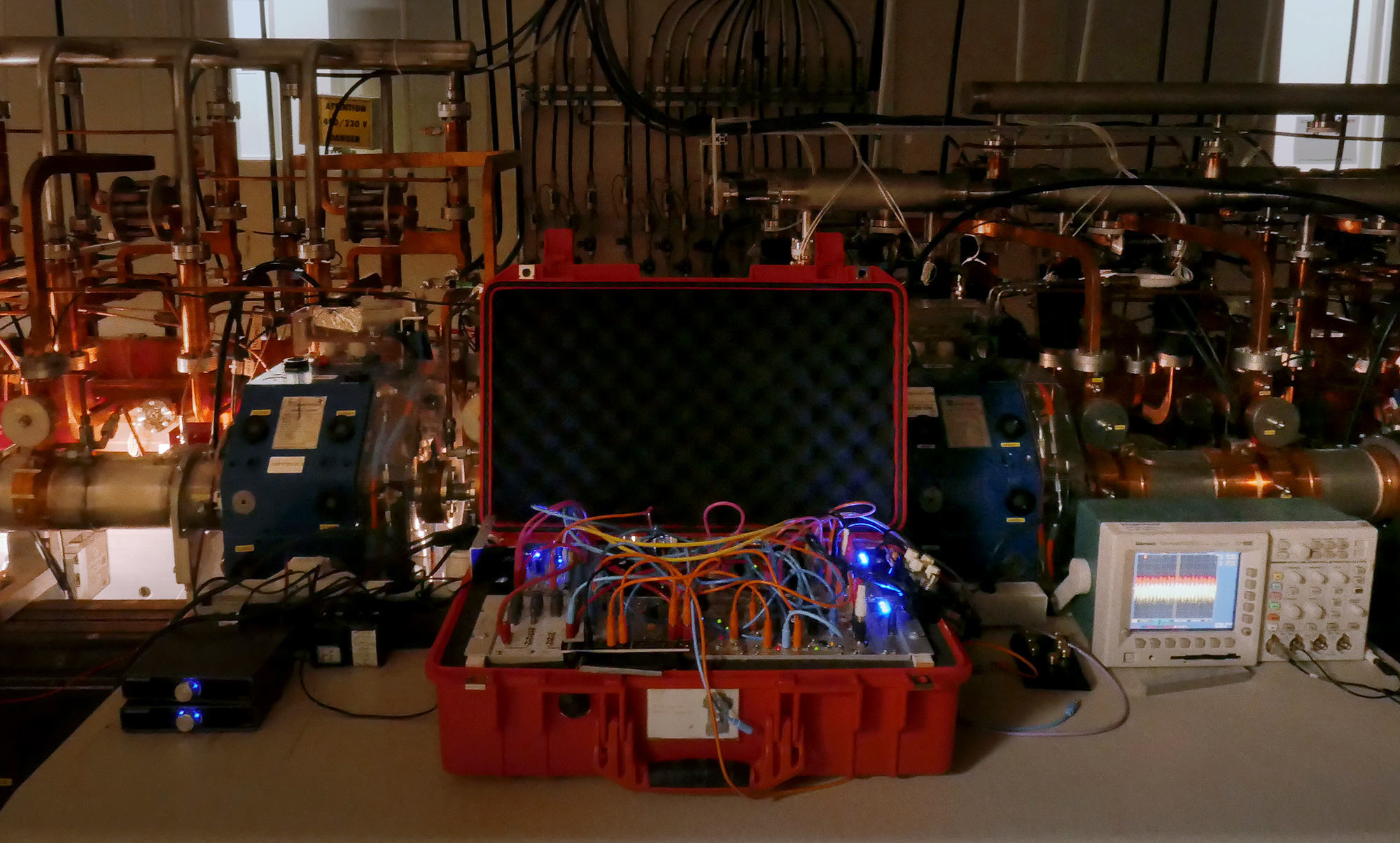
Chris Henschke, analog laptop reactivation of the semi-obsolete CLIC accelerator test facility, photograph Chris Henschke.
Chris Henschke is an artist who works with analogue and digital media, using methods and materials from experimental science, and has undertaken experimental interdisciplinary collaborations with scientists since 1991. Residencies include the National Gallery of Australia, 2004; an Asialink residency at Chulalongkorn University Bangkok, 2007; two residencies at the Australian Synchrotron, 2007 and 2010; and an ANAT Synapse residency with the CSIRO in Clayton, 2018-2019.
Chris’ academic qualifications include a Doctorate of Philosophy from Monash University (2013-2017), comprised of on-site research/practice at the European Organisation for Nuclear Research (CERN), Switzerland, as part of the ‘art@CMS’ collaboration program. Somewhat recent exhibitions include: How Everything Began, a group show at the Natural History Museum, Vienna, 2016, opened by Nobel Physics laureates Peter Higgs & Anton Zeilinger; Song of the Phenomena and Demon Core, commissioned for DARK MOFO 2019, Hobart; and Synthesism, an in-situ installation/presentation of his CSIRO nanomaterial experiments, 2019.
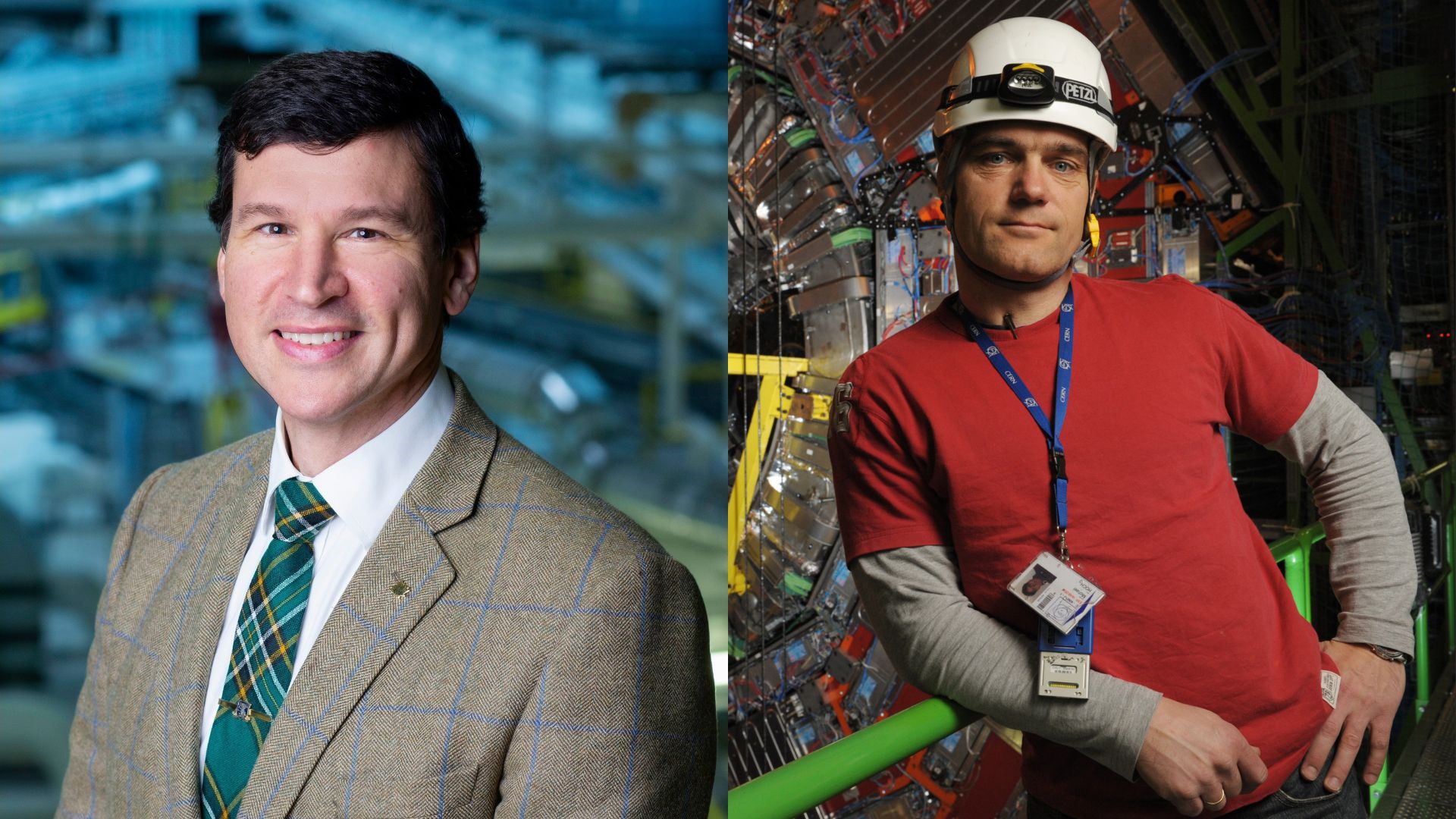
Left: Mark Boland, image courtesy Canadian Light Source. Right: Michael Hoch, image courtesy Compact Muon Solenoid.
Prof. Boland completed a PhD in nuclear physics at the University of Melbourne, Australia, and a postdoc at Lund University, Sweden. He then became an accelerator physicist and between 2003-2017 helped build and operate the Australian Synchrotron. In 2017, Prof. Boland was appointed as the Machine Director at the Canadian Light Source and a Professor at the University of Saskatchewan. Awards and honours include a Fulbright Fellowship at Stanford and a JSPS Fellowship in Japan.
Michael Hoch, born in Vienna, Austria, studied applied physics at the University of Technology Vienna and pursued a teaching degree in physics and sports at the University of Vienna. He conducted doctoral research in particle physics at CERN, where he contributed significantly to the ALICE TPC field cage for the CERN-LHC project and later to the CMS experiment. In 2012, he founded the art@CMS program, followed by the ORIGIN network in 2017, both fostering dialogue between science and art globally.
The ANAT Synapse Fellowship is supported by the Australian Network for Art and Technology (ANAT) and the ART@CMS program at the European Organization for Nuclear Research/Conseil européen pour la Recherche nucléaire (CERN).
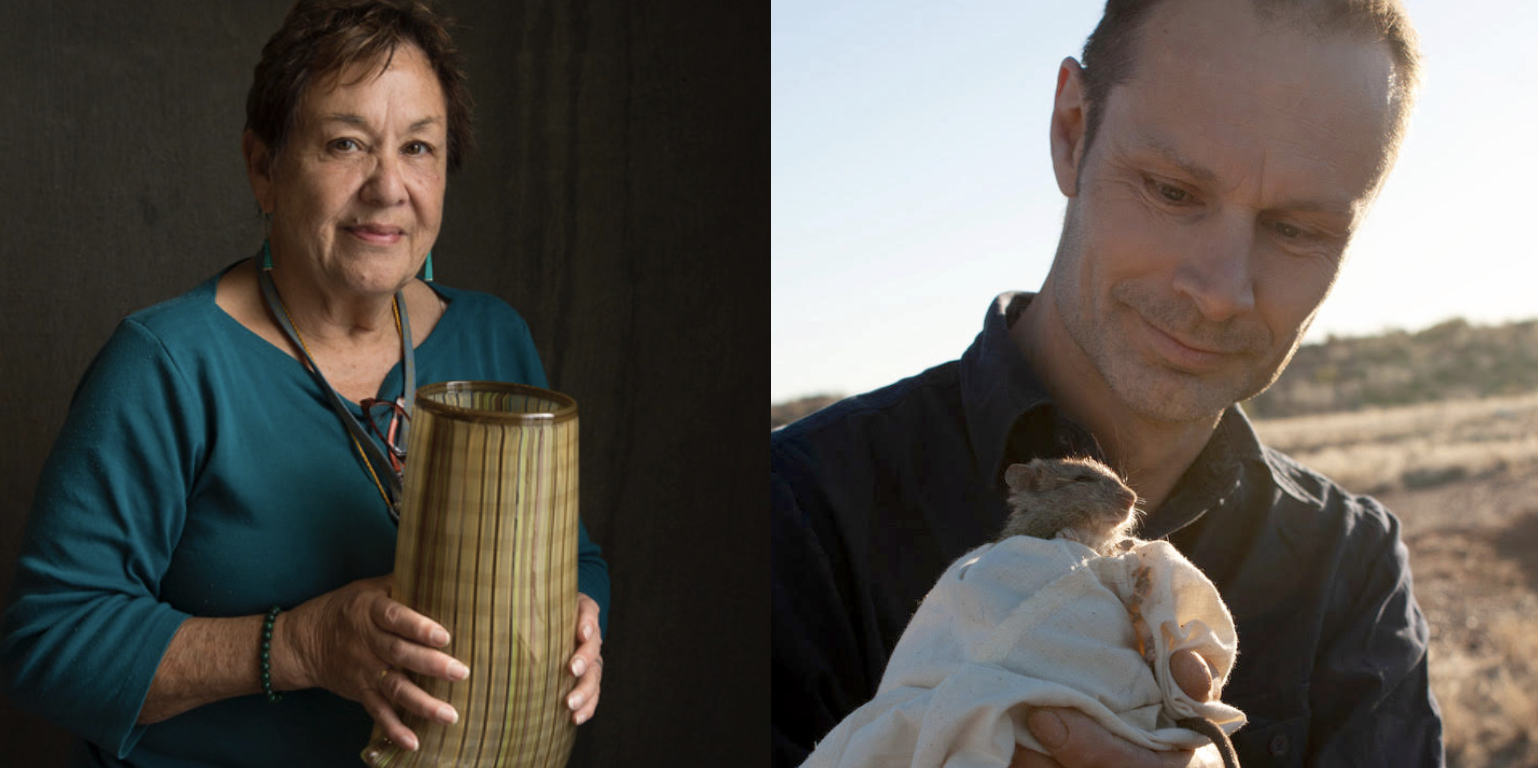
Jennifer Kemarre Martiniello, 2017, photographer Tina Fiveash. Photo courtesy Jennifer Kemarre Martiniello. Keith Armstrong with Rattus villosissimus (Native Long Haired Rat), Arabana Country, Kati Thanda-Lake Eyre, 2012 (Photo Courtesy of Australian Wildlife Conservancy)
2024 ANAT Synapse Residencies
1. JENNIFER KEMARRE MARTINIELLO + PROF SIMON HABERLE,
THE SCHOOL OF CULTURE, HISTORY AND LANGUAGES, ANU
The Australian Network for Art and Technology (ANAT) was delighted to introduce Jennifer Kemarre Martiniello as one of the exceptional ANAT Synapse 2024 residents. Jennifer embarked on the explorative project titled The Stories Beneath My Ancestors’ Footprints.
“As an Aboriginal (Arrernte) artist, storytelling is the heart of my artistic practice. In 2014 I created my first series of hot blown glass cylindrical Voice Cores, inspired by a long held fascination with the capacity of scientific cores sunk into the earth to access a place’s deep time through the analysis of ecopaleological spores, pollen and sediments.” Jennifer Kemarre Martiniello
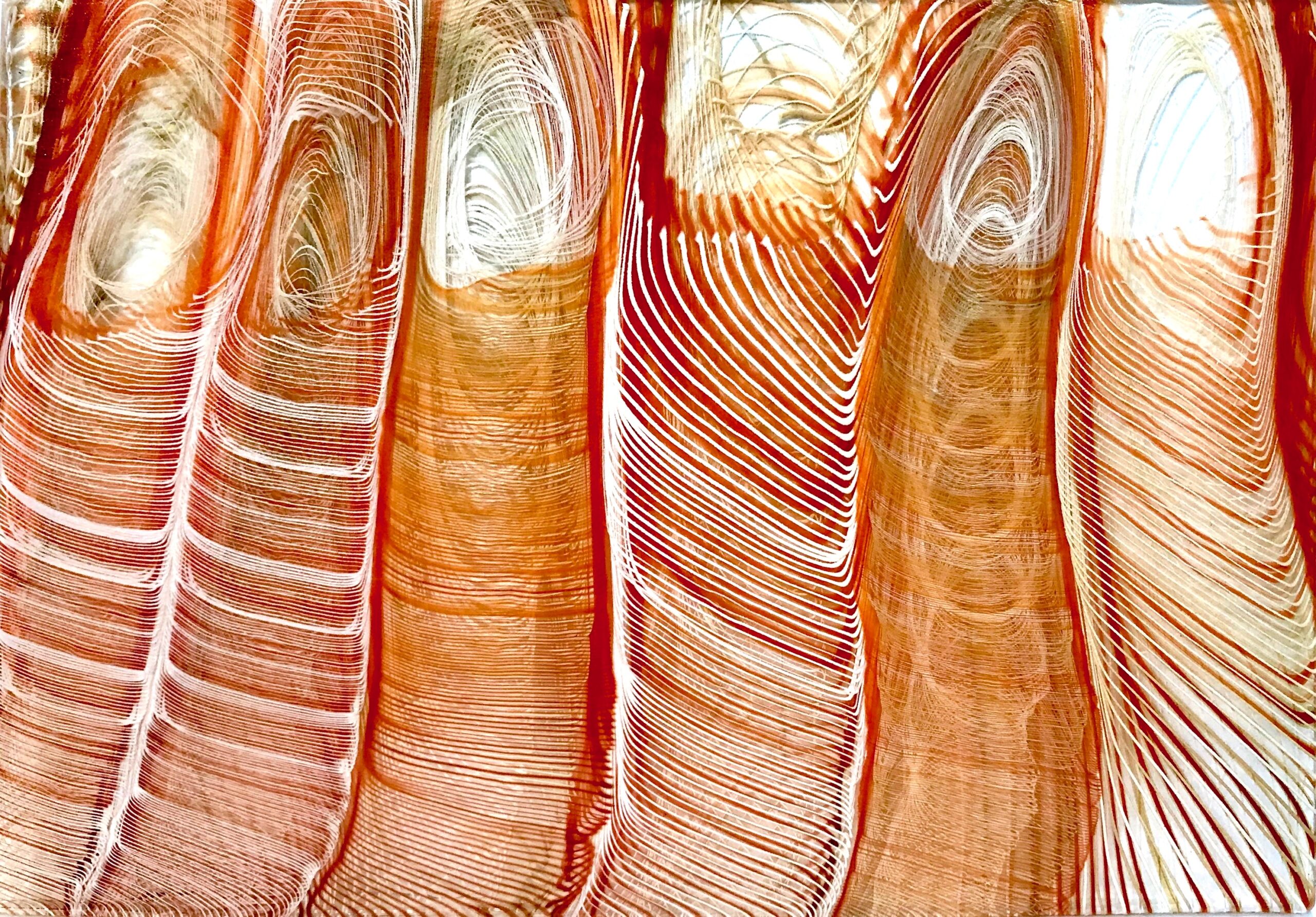
Jennifer Kemarre Martiniello, Ancestor’s Red Ochre Dreaming Place. Photo courtesy Jennifer Kemarre Martiniello.
This collaboration focused on creative research and practice to discover the paleoecological substrata of Jennifer’s Aboriginal and Chinese ancestors’ lands. Mentored by Prof. Simon Haberle, the artist delved into geo-culturally specific data, exploring the ancestral identity through pollens, diatoms, phytoliths, charcoal deposits, and spores. Her innovative approach blended art and science, resonating with the heart of her Aboriginal storytelling practice.
As part of the ANAT Synapse program, residents create online creative research journals, these serve as unique live documents of the residency and as a cultural artefact.
read JENNIFER'S CREATIVE RESEARCH JOURNAL
Jennifer Kemarre Martiniello OAM is a multi-award winning artist of Aboriginal (Lower Southern Arrernte), Chinese and Anglo-Celtic descent. Her works are held in multiple national and international public and private collections. In 2023 she was recognised as a Pacific Region Craft Master by the World Crafts Council.
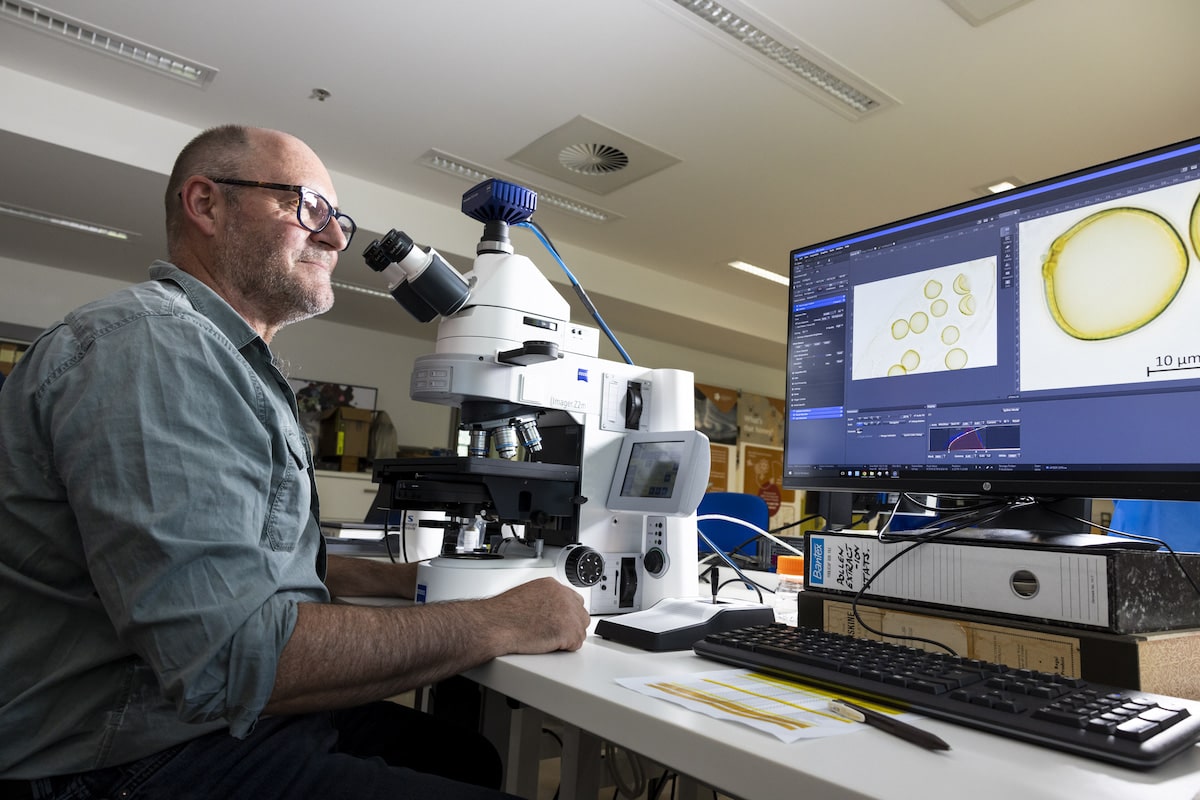
Prof Simon Haberle, pollen count, Kerrie Brewer. Photo courtesy Simon Haberle.
Simon Haberle is currently Professor of Palaeoecology and Natural History in the School of Culture, History and Language. His research is currently focussed on our understanding of the impact of deep-time climate variability and human activity on terrestrial ecosystems of Australia and the region. He is also using his knowledge of Australian pollen to explore the impact of pollen and spores on respiratory health.
The ANAT Synapse residency program is supported by the Australian Network for Art and Technology (ANAT) and the School of Culture, History and Language, College of Asia and the Pacific, Australian National University.
2. KEITH ARMSTRONG + DR. DAVID TUCKER AND DR. GABRIELLE LEBBINCK (WORKING WITH MARCUS YATES), SAMFORD ECOLOGICAL RESEARCH FACILITY (SERF)
+ DR. ELEANOR VELASQUEZ, TERRESTRIAL ECOSYSTEM RESEARCH NETWORK (TERN) – AUSTRALIA’S LAND ECOSYSTEM OBSERVATORY
ANAT welcomed Keith Armstrong as a returning ANAT Synapse resident in 2024, presenting his multi-layered project, Forest Art Intelligence (FAI). With thirty years of experimental work focusing on social and ecological justice, Keith’s participative practices envisions collective paths to sustainable futures.
“Our aim is to understand how to develop art forms capable of growing and evolving alongside a regenerating forest, whilst also actively benefiting that forest’s health. We envisage embedded artworks capable of slowly finding, and then occupying, their own intelligent ‘niches,’ within the forest’s ecology – a speculative form we call an ‘Art Intelligence.’” Keith Armstrong
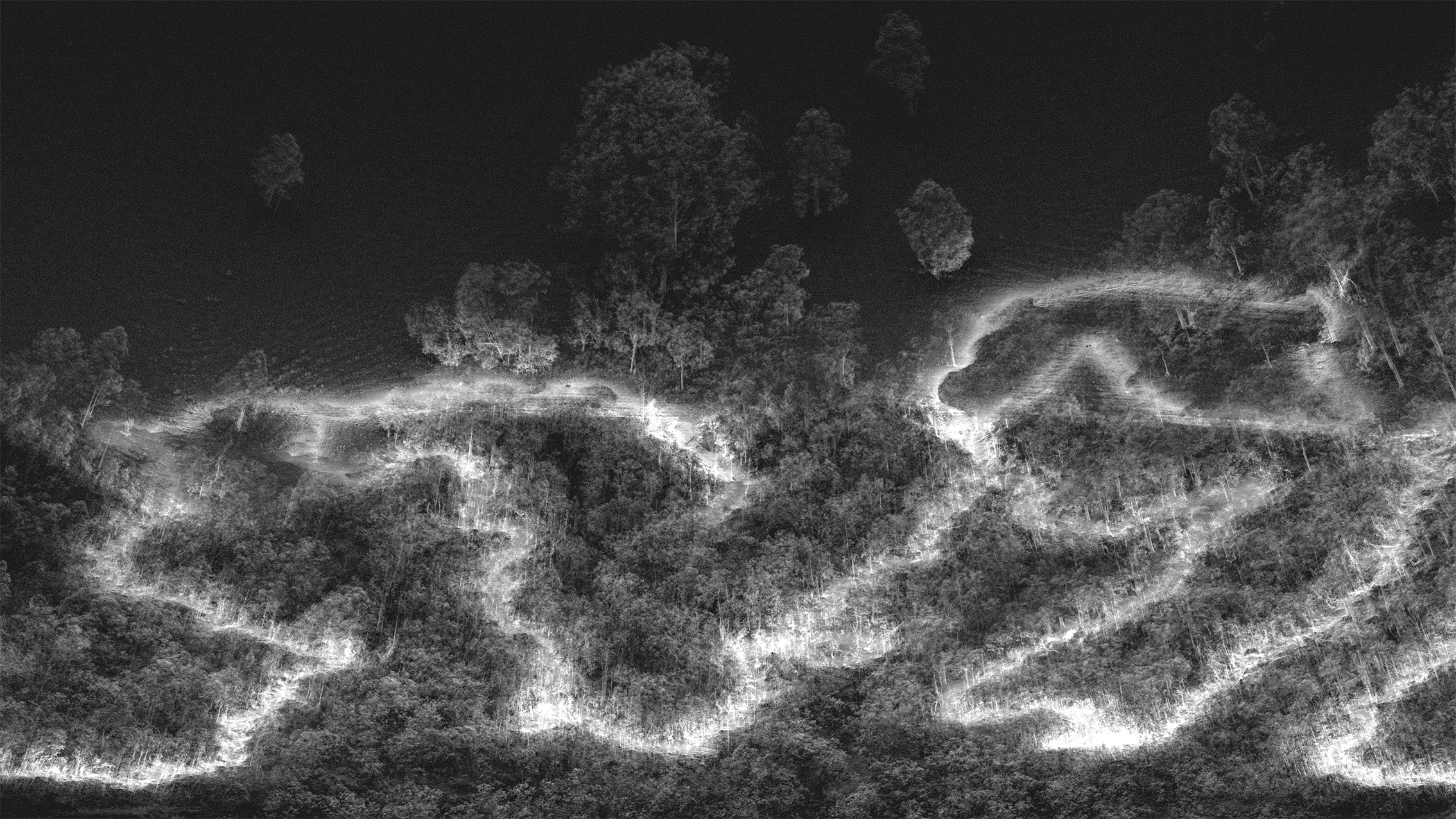
Keith Armstrong, Common Thread (still from uncompressed video), 2022, Held in Collection of ‘.NewArt { foundation;}, Barcelona’, {Shown at ISEA 2022, Barcelona, Novtec 2022, Lima, Peru and V2 Lab for Unstable Media, Rotterdam, 2023}. (Image Keith Armstrong/Visual Data set recorded by Dr. Dmitry Bratanov and Gavin Broadbent, QUT Research Engineering Facility).
His ongoing project explores the integration of art and science in regenerating forests, aiming to develop “Art Intelligences” (AI) that grow symbiotically with the forest, actively benefiting its health. The Forest-Art Intelligence (FAI) project involves sustainably built, interconnected installations using “lively materials” and data sensors, contributing to the ecological system. Armstrong’s vision aligns with public engagement, ecological science, botany, data science, and sustainable media arts, presenting outcomes at ISEA 2024 in Brisbane and online.
As part of the ANAT Synapse program, residents create online creative research journals, these serve as unique live documents of the residency and as a cultural artefact.
read KEITH'S CREATIVE RESEARCH JOURNAL
Keith Armstrong (b. 1965) is an experimental artist profoundly motivated by issues of social and ecological justice. His engaged, participative practices provoke audiences to comprehend, envisage, and imagine collective pathways towards sustainable futures. His collaborative, experimental practices emphasise, site-specific electronic arts, networked interactive installations, art-science collaborations and socially and ecologically engaged practices.
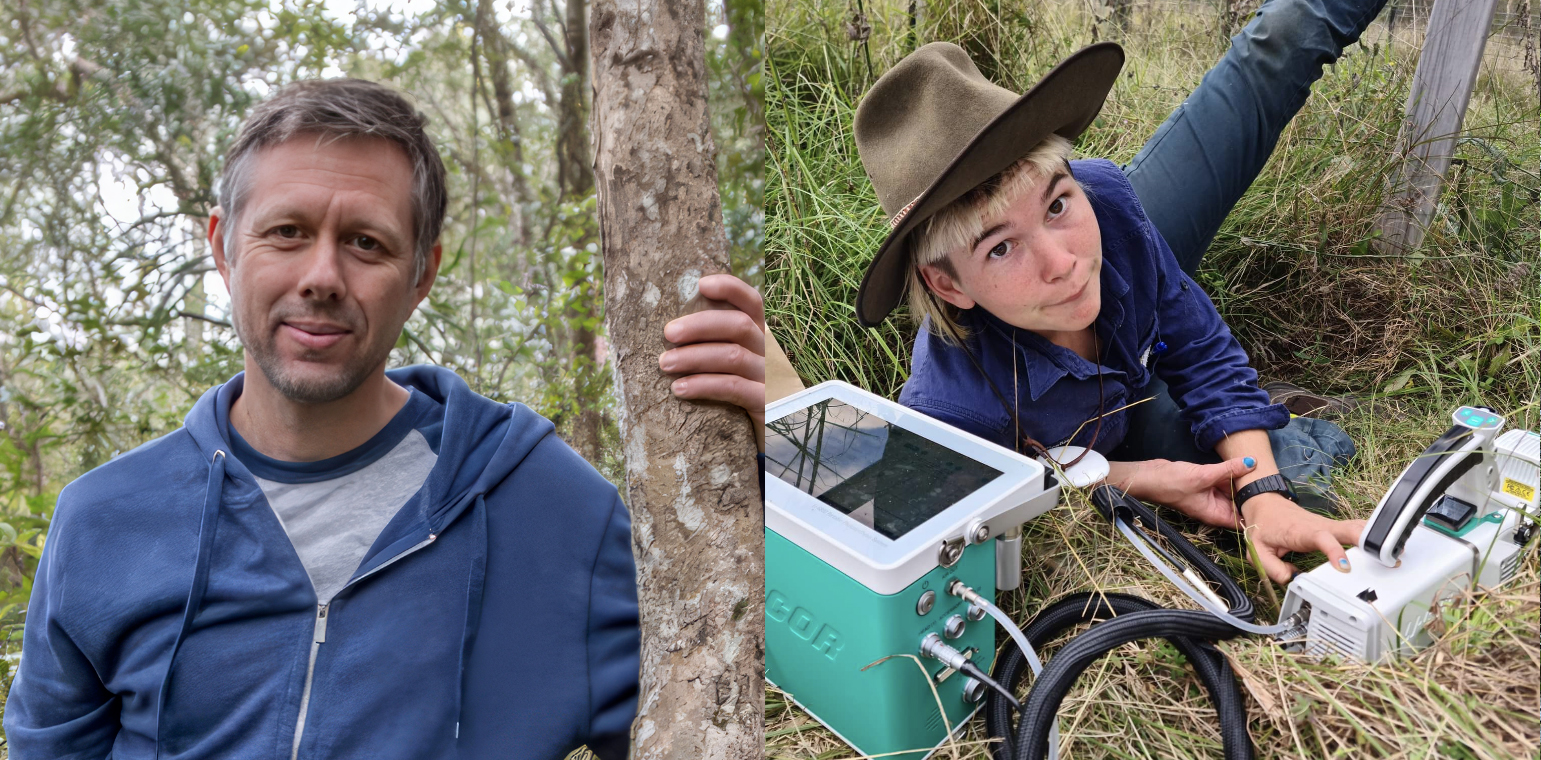
From left 1. Dr. David Tucker: Photo courtesy of D.Tucker. 2. Dr. Gabrielle Lebbink: Photo courtesy of G. Lebbink.
Dr David Tucker is a landscape ecologist with a research and working background in terrestrial ecological surrogacy, biodiversity monitoring, conservation management, and ecoacoustics. He is responsible for monitoring the flora and fauna at the Terrestrial Ecosystem Research Network Peri-urban SuperSite, located at QUT’s Samford Ecological Research Facility (SERF) on the outskirts of Brisbane, and the Mitchell Grass Rangeland SuperSite in Longreach. David’s current research is with the Sustainable Agroecosystems team at QUT with a focus on the measurement and monitoring of biodiversity in grazed systems using novel acoustic technologies.
Dr Gabrielle Lebbink is a post-doctoral research fellow at the Queensland University of Technology. She has focused her research on plant and invasion ecology and in particular trying to understand how disturbances such as fire and grazing influence plant community dynamics. Her research seeks to improve the monitoring, management, and protection of biodiversity values across Australia’s diverse habitats and land-use.
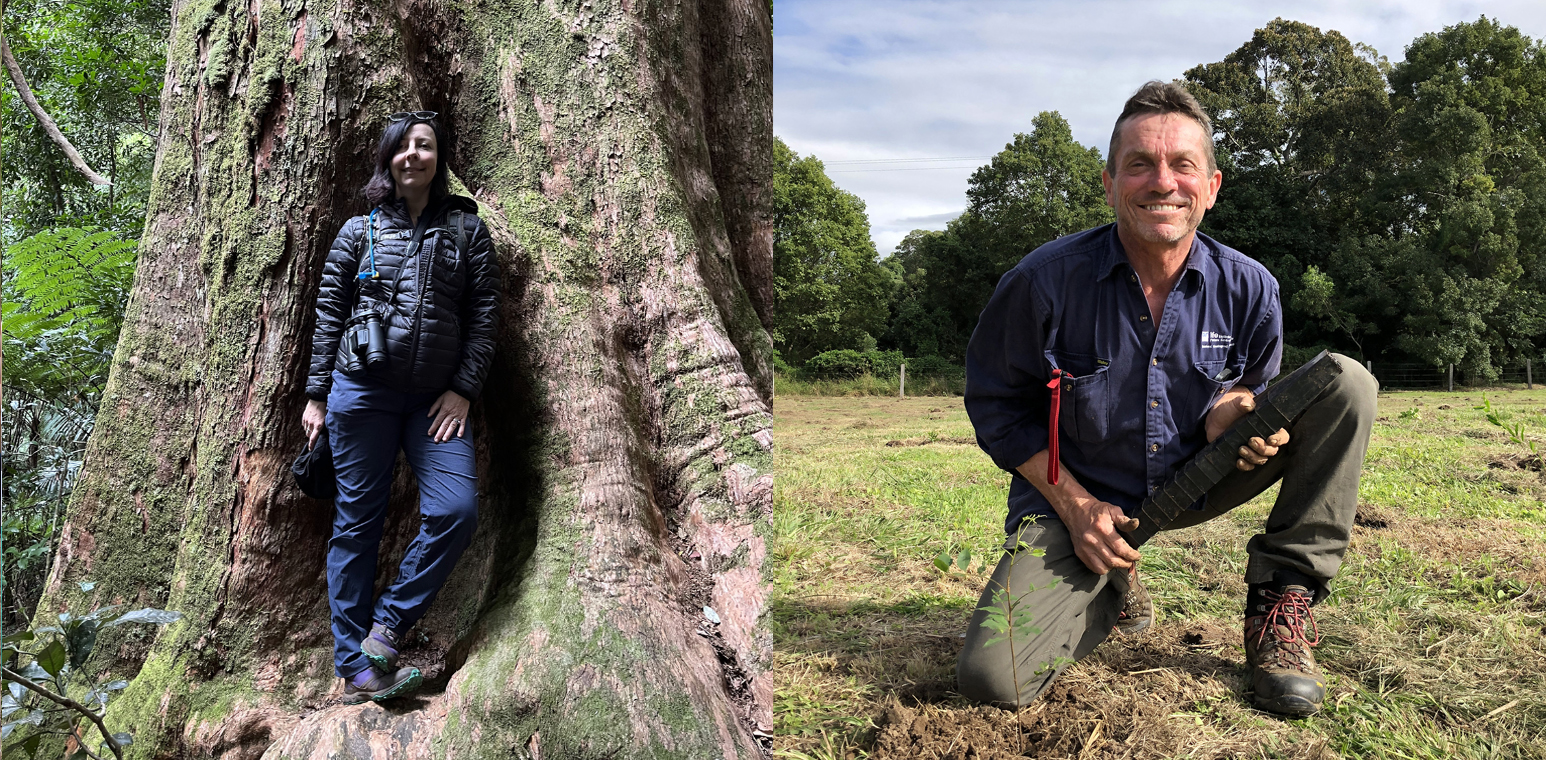
From left 1. Dr. Eleanor Velasquez: Photo courtesy of E. Velasquez. 2. Marcus Yates, at a reforestation QUT community planting activity along the floodplains of Samford Creek.
Dr Eleanor Velasquez is passionate about education as a transformational experience, scientific communication, research, and the use of storytelling to break down accessibility barriers to research and scientific understanding. Currently, Eleanor is the Education and Training Manager at TERN (Terrestrial Ecosystem Research Network) at The University of Queensland, where she manages education and training programs in ecology, environmental sciences, and data sciences. In addition, she is an Adjunct Level A, Academic at Griffith University, where she continues to supervise PhD candidates and mentors early career researchers. Her research interests have spanned understanding and protection of critically endangered urban forests, recreational use of urban forests and national parks, forest response to wildfire, and processes that allow dispersal, connectivity and invasion within oceans.
Marcus Yates, Site Technician at SERF, oversees daily operations and development of the 51-hectare Samford Ecological Research Facility near QUT’s Gardens Point campus. This includes managing 38 hectares of Dry Sclerophyll Forest, 3 hectares of Gallery Rainforest, and 10 hectares of pasture. Marcus brings extensive experience, including a background in horticulture and environmental science. He previously worked with Mitchell’s Forest Farming Systems, focusing on timber plantations and land regeneration along the East Coast. Marcus, a long-time resident of Samford Valley, is committed to forest management and contributing to environmental research.
The ANAT Synapse residency program is supported by the Australian Network for Art and Technology (ANAT), Samford Ecological Research Facility (SERF) and the NCRIS-enabled Terrestrial Ecosystem Research Network (TERN).

Images clockwise from top left: ANAT CEO Melissa DeLaney, photograph Sia Duff; Dr Eleanor Velasquez; 2023 ANAT Synapse resident Keith Armstrong, with Rattus villosissimus (Native Long Haired Rat), Arabana Country, Kati Thanda-Lake Eyre, 2012 (Photo Courtesy of Australian Wildlife Conservancy); Prof Simon Haberle, pollen count, Kerrie Brewer; 2023 ANAT Synapse resident Jennifer Kemarre Martiniello, 2017, photograph Tina Fiveash.
On Thursday, 10 October 2024, we held a short, lunchtime conversation featuring the artists and researchers undertaking the 2024 ANAT Synapse Residency program. Our speakers were:
Jennifer Kemarre Martiniello + Prof Simon Haberle,
The School Of Culture, History And Languages, ANU
Keith Armstrong + Dr Eleanor Velasquez,
Terrestrial Ecosystem Research Network (TERN) Australia’s Land Ecosystem Observatory
View the talk on YouTube:
ANAT Synapse Residencies 2023 | 2022 | 2021 | 2020 | 2019 | 2018 | 2017 | 2016 | OLDER
For over thirty five years, from its home base, Tarndanya on Kaurna Country (Adelaide, South Australia), Australian Network for Art and Technology (ANAT) continues to be the national leader in the field of experimental arts and cross-disciplinary practice with science and technology partners. The not-for-profit organisation operates on a continuum with varying entry points, including residencies, workshops and triennial events. Engaging artists at every level of their creative research practice, sci-tech-art curious audiences and science and technology partners like universities and research facilities, ANAT believes in the essential role artists play across all areas of society.
ANAT Bespoke Residencies
In addition to the prestigious Synapse program, ANAT delivers bespoke artist’s residencies, with science, technology and research partners from the academic and private sector. As the name suggests, no two ANAT Bespoke Residencies are the same. Every iteration is customised to the project’s unique characteristics and is jointly supported by ANAT and the collaborator.
Previous Bespoke partners include: CSIRO (Commonwealth Scientific and Industrial Research Organisation), AWRI (The Australian Wine Research Institute) and SAHMRI (The South Australian Health and Medical Research Institute)
ANAT is a global leader in brokering opportunities for artists to work with science and technology partners. We do this because we believe artists are essential to how we imagine and shape our future. If your organisation is interested in investing in the transformational nature of interdisciplinary collaboration, please get in touch [email protected]
ANAT is assisted by the Australian Government through the Australia Council for the Arts, the South Australian Government through Arts SA and through the Visual Arts and Craft Strategy, an initiative of Federal and State Governments.